
Augmented Reality (AR) in Museums — How It Differs from VR
August 1, 2026
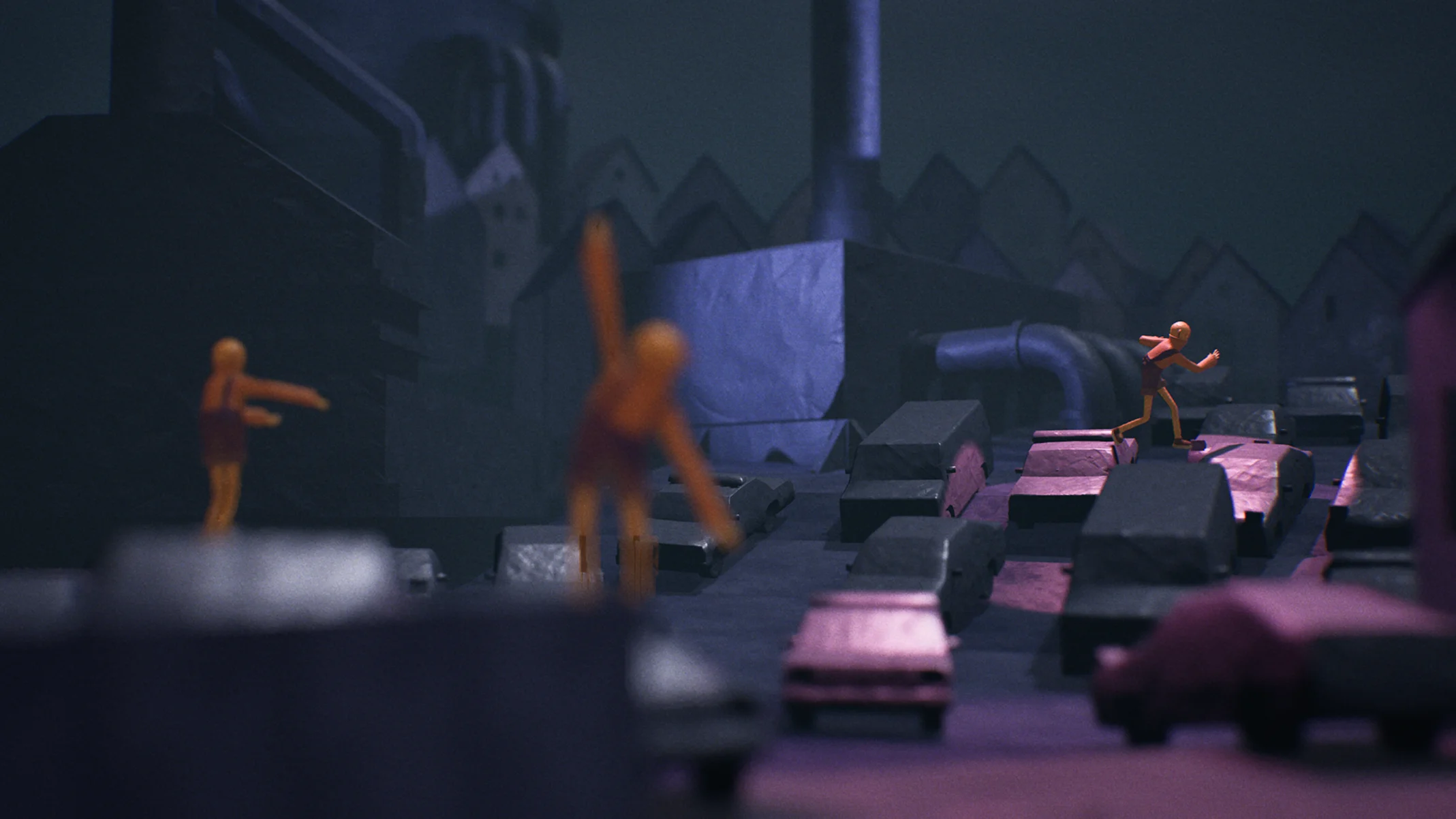
Augmented reality and virtual reality often get lumped together under one "XR" label, but they're two different design decisions — with a different budget, different hardware, and a different kind of experience for the visitor.
How Does AR Differ from VR?
AR (augmented reality) overlays a digital layer on the image from a phone's camera — the visitor still sees the real room, the real object, the real surroundings, just enriched with extra content. VR (virtual reality) fully replaces what the user sees — through a headset, inside a fully designed space. We cover both approaches in more depth in XR in culture.
| AR | VR | |
|---|---|---|
| Hardware | visitor's own phone | VR headset |
| View of surroundings | kept, enriched | fully replaced |
| Entry cost | lower | higher |
| Level of immersion | partial | full |
Why AR Is Often a Cheaper Way into XR
AR needs no headsets to buy, charge, or disinfect between visitors, and no staff to run a dedicated station — it runs on a phone the visitor already has in their pocket. That's a genuinely lower barrier to entry than VR, especially for institutions trying XR for the first time.
The Same Weakness as Phone-Based Apps
There's a catch, though: AR built on a visitor's own phone inherits exactly the same limitations we describe for app-based gamification — weak Wi-Fi inside historic buildings, not everyone owning a smartphone or having a charged battery, and installing an app before entering the exhibition being a barrier in itself. We cover this in the context of quizzes in ESP32 — a quiz without an app. Solutions built on dedicated hardware, rather than the visitor's own device, don't share that weakness.
When Should You Choose AR Instead of VR in a Museum?
AR works well with a limited budget, for temporary exhibitions, and for short, additional information layers — it runs on the visitor's own phone with no headsets to buy. Choose VR when the goal is a full, immersive narrative experience that holds the visitor's whole attention, independent of the quality of their own phone or Wi-Fi.
Where AR Makes Sense, and Where VR or a Dedicated Console Wins
- AR — short, additional information layers over an existing exhibition, temporary shows with no budget for headsets, moments worth sharing on social media.
- VR — a full, immersive narrative experience meant to hold the visitor's entire attention, as in our productions "Promyk VR" or "Simple Songs About Death".
- A dedicated console — engagement that doesn't depend on whether the visitor's phone works, as in the gamification system described on our gamification page.
Our Perspective
At rewir.studio, most of our XR productions are built on VR in Unreal Engine 5 and dedicated hardware rather than AR apps on a visitor's own phone — a deliberate choice for reliability under real institutional conditions, not a lack of confidence in AR as a technology. If you're weighing which approach fits your exhibition, get in touch — we're happy to advise based on your actual space and budget. See also our XR service.