
XR in Culture: How Museums and Galleries Use VR/AR to Build Attendance
June 5, 2026
Attendance at museums and galleries isn't falling because the collections have become less valuable. It's falling because they now compete for attention with formats that are active, short, and engage the senses in ways a descriptive plaque never could. XR — virtual and augmented reality — is one of the few tools that lets a cultural institution speak that same language without flattening its content.
Why XR works differently from a multimedia gadget
A touchscreen next to a display case is still passive content consumption — the visitor reads or watches. VR and AR change that relationship: the visitor moves through space, makes decisions, and experiences time and scale differently than in physical reality. It's precisely that difference — active participation instead of observation — that translates into more time spent at the institution and a stronger memory of the experience.
Two different applications: education and narrative
In practice, XR projects in the cultural sector fall into two strands, each requiring a different design approach.
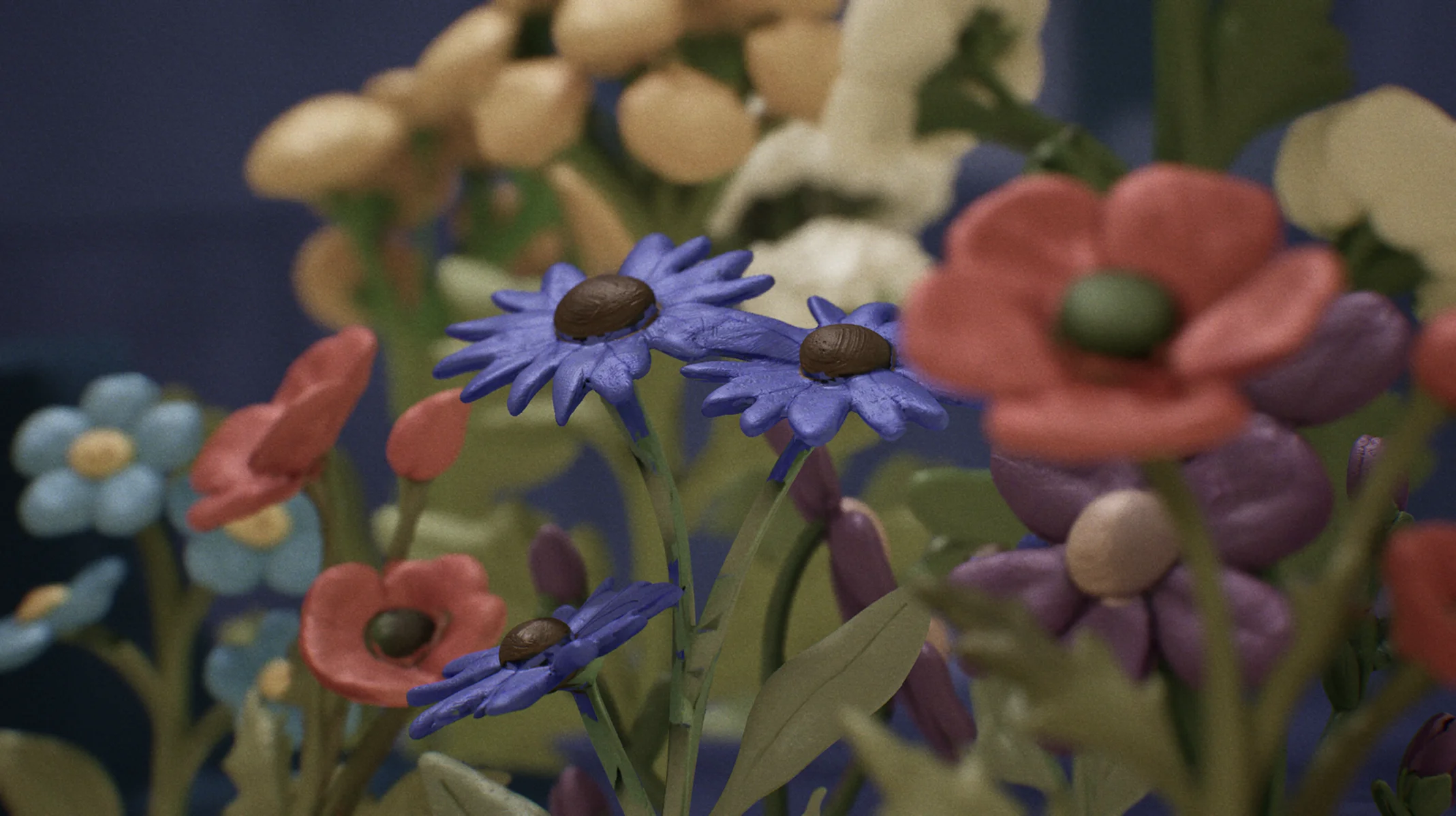
Education and engaging younger audiences. "Promyk VR" is an experience built with the youngest visitors in mind — set in a stylised world inspired by the aesthetics of stop-motion animation, it introduces ecological themes through a story rather than a lecture. Produced in collaboration with Pinokio Models as part of Poland's National Recovery Plan for culture, and featuring Katarzyna Figura as Mother Sun, it shows how an educational institution can reach a young audience without flattening the subject into an infographic.
Artistic and exhibition narrative. "Simple Songs About Death" represents the opposite pole — an immersive experience exploring memory and passing, inspired by the myth of Orpheus and Eurydice. The project premiered at the DOX Centre for Contemporary Art in Prague as part of the Art VR festival, and was later shown at the 64th Krakow Film Festival, the Still Human exhibition in Seoul, and numerous exhibitions in Poland and abroad — proof that a well-designed VR experience can function as a fully-fledged exhibition piece, not an add-on to the display.
What determines the success of a project like this at an institution
- Matching length to the visiting context — the experience has to fit within the natural length of a visit, not compete with the rest of the exhibition.
- Equipment logistics — the number of headsets, visitor rotation, staffing of the station by the institution's own personnel.
- Consistency with the rest of the exhibition's narrative — XR shouldn't be a separate attraction, just an extension of the same story.
If your institution is considering its first XR project and wondering whether an educational layer or an artistic narrative will work better — get in touch and we'll happily advise based on your specific audience and space.
See our XR experiences offer for cultural institutions.
Weighing AR instead of full VR? See augmented reality in museums — how it differs from VR.