
Blog
Articles
A Computer Game as an Education Tool in Museums
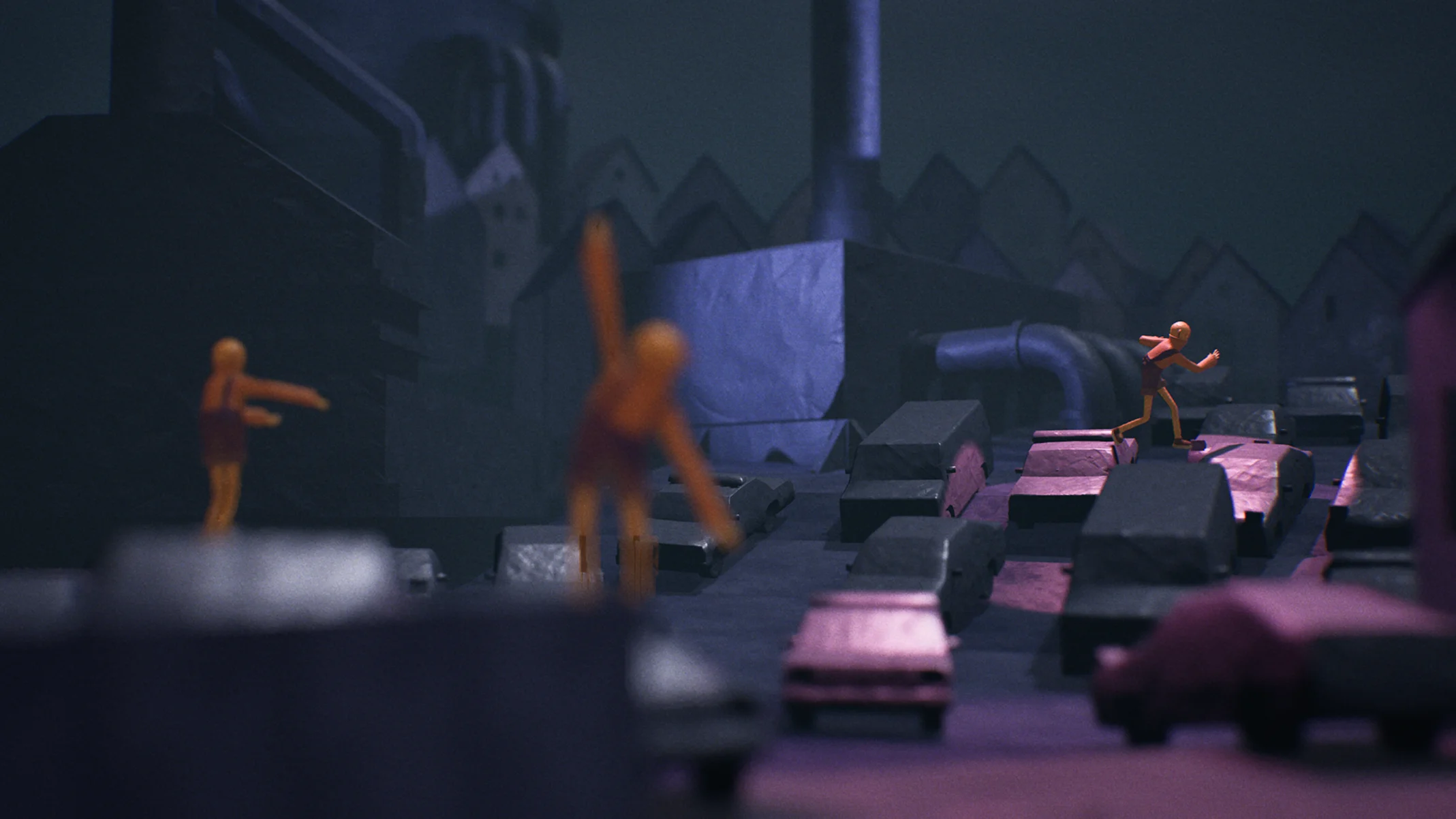
Rewanż isn't a marketing buzzword for "gamification" — it's a real computer game built in Unreal Engine 5, turning a visit into gameplay with rules, scoring, and a finale.
Immersive Exhibition — What It Actually Means
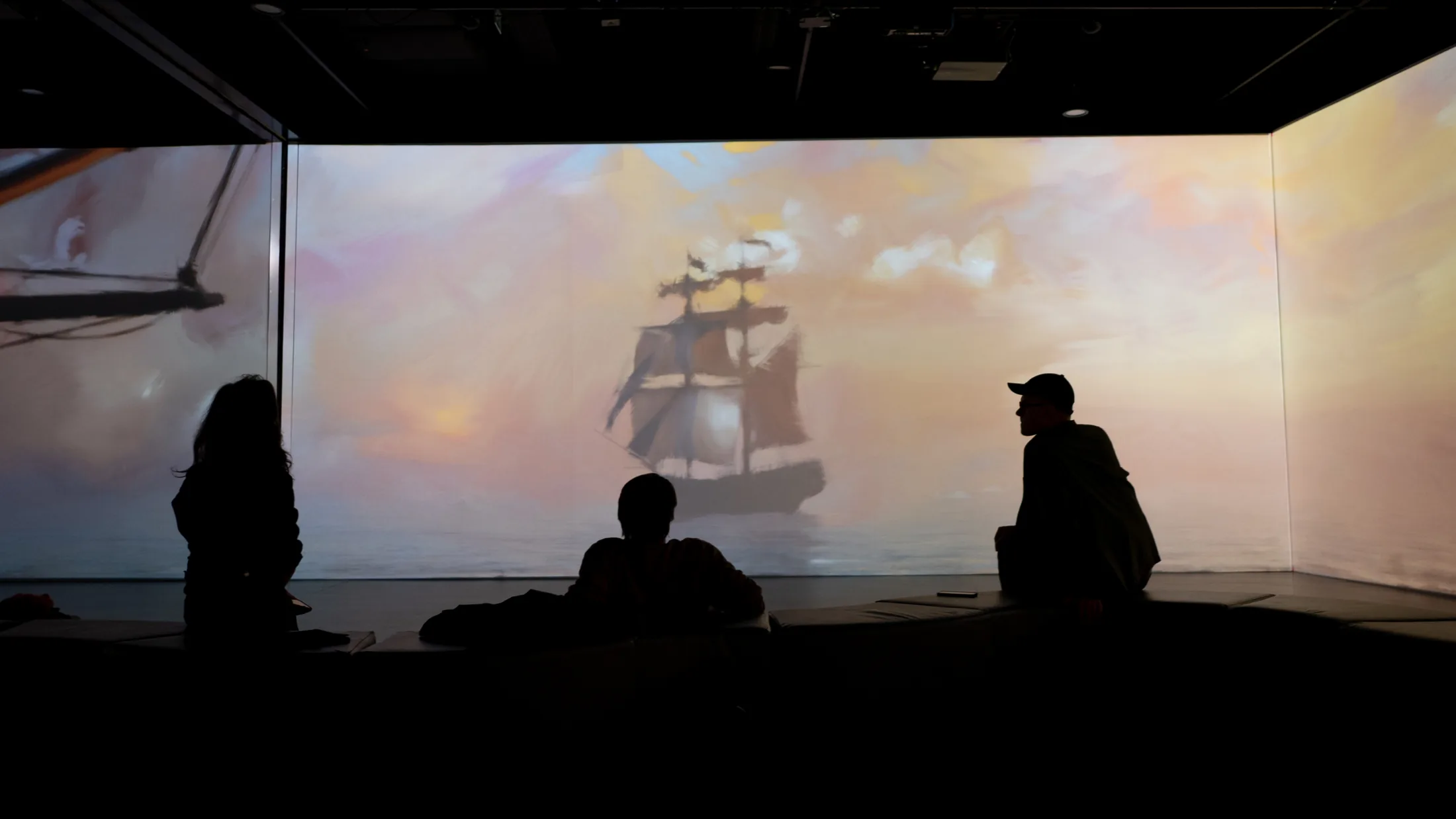
How is an immersive exhibition different from a regular one? No glass cases or wall labels — it's a space the viewer steps into, where projection, sound and set design work together as one experience.
Multimedia Scenography — What It's Made Of
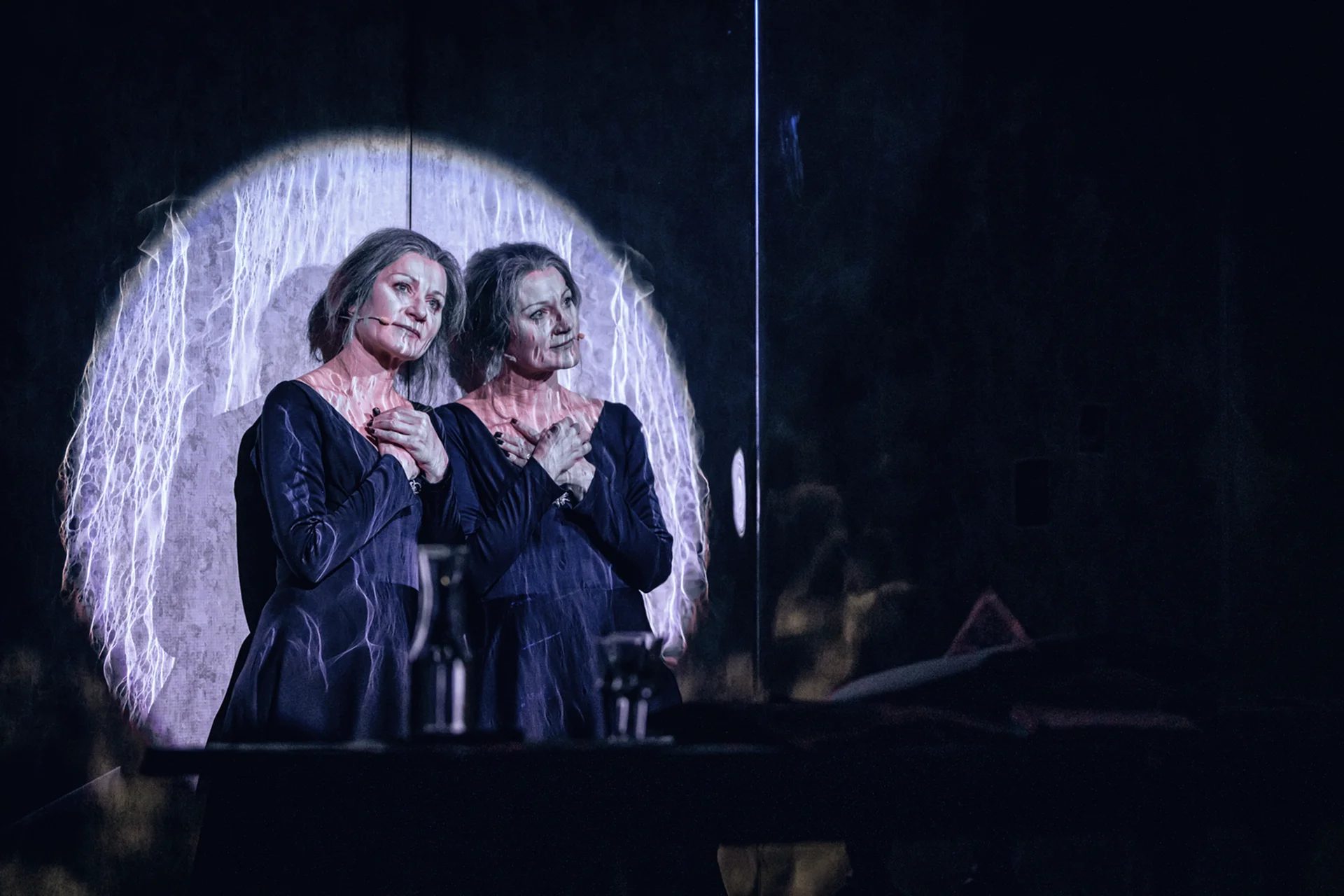
Behind a set that reads as one coherent organism sit several separate systems — projection, lighting, sometimes an LED wall — synchronised into a single show.
Gamification in Education — Not Just for Museums
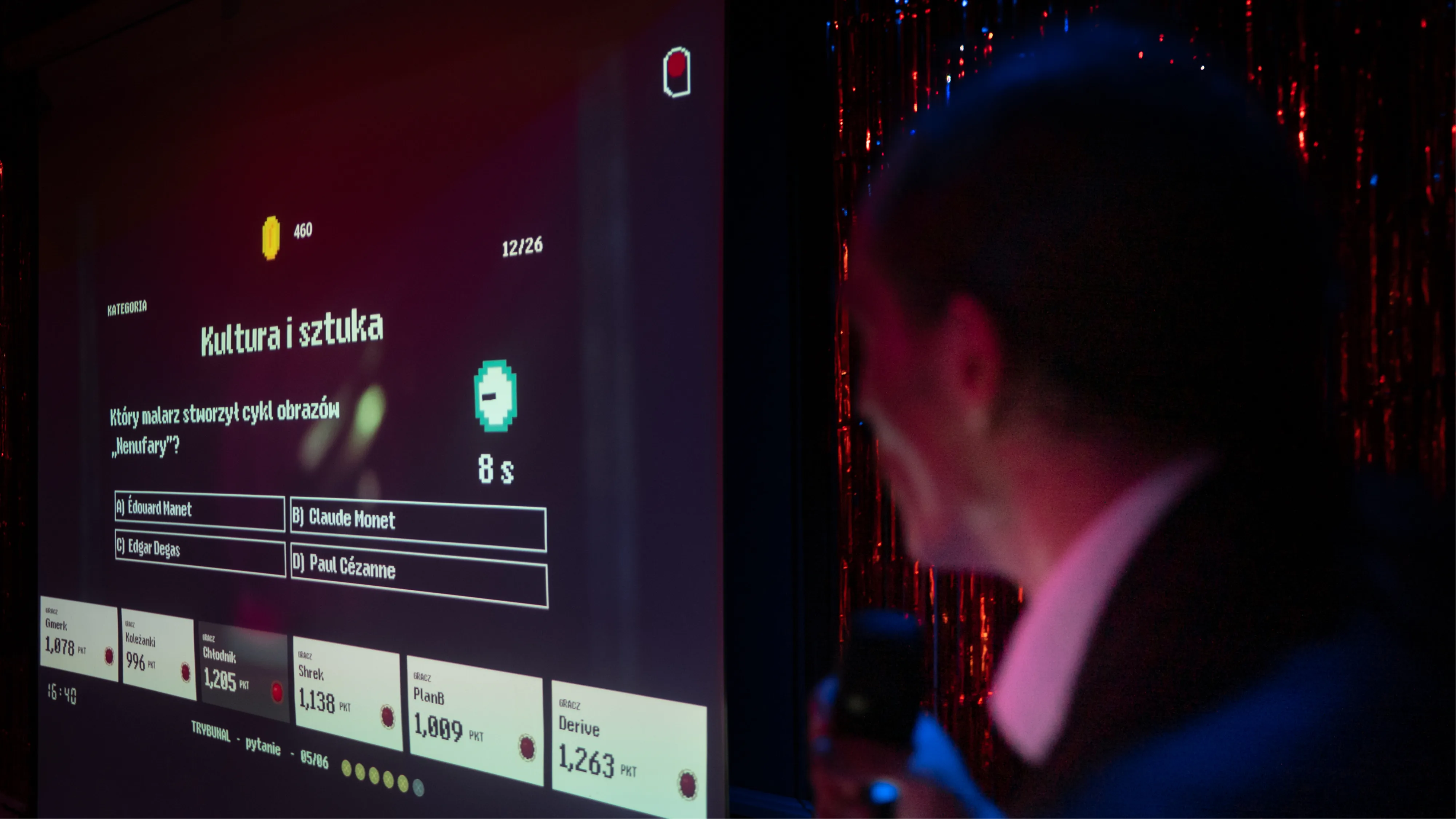
Scoring, competition and instant feedback work just as well in a classroom or education centre as they do in a museum exhibition — they turn an audience into participants.
Augmented Reality (AR) in Museums — How It Differs from VR
AR needs no headset or extra hardware — it runs on the visitor's own phone. That's a different budget and a different kind of experience than VR, and it's worth knowing when each one fits.
3D Mapping on a Building — What It Looks Like in Practice
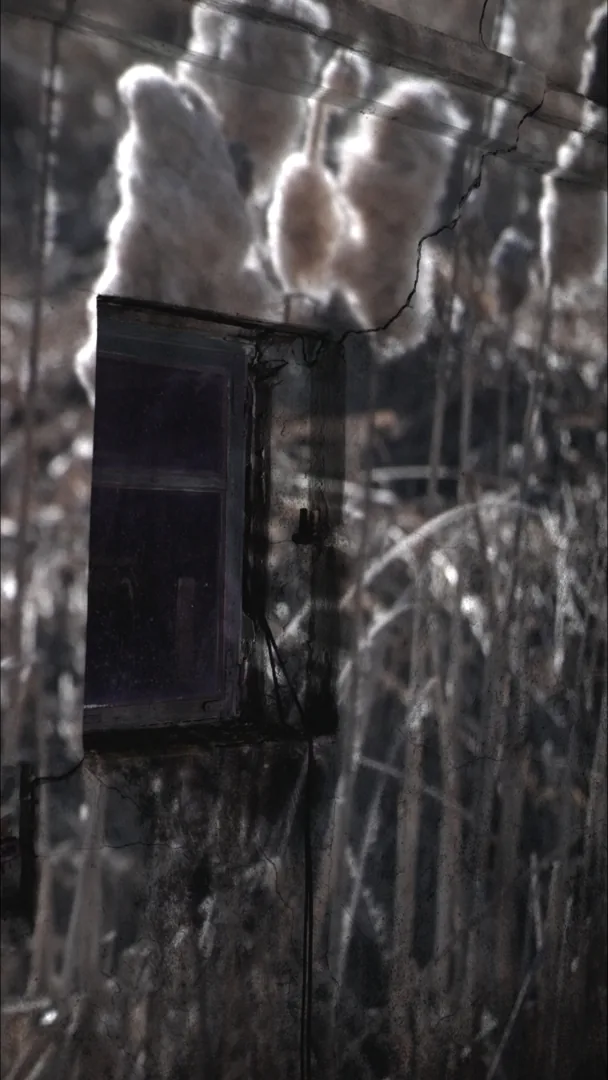
3D mapping on a countryside barn, on a historic façade, on a theatre stage — the technique adapts to any form. See how the same method looks at very different scales.
How to Choose a 3D Mapping Company in Poland — A Checklist
You can't judge a projection mapping production from a proposal deck. Here's what actually matters before you sign with a studio.
New Technologies in Museums — A 2026 Overview
Projection mapping, XR, gamification — an overview of the technologies actually changing how people visit museums today, and a guide to picking the right one for a specific exhibition.
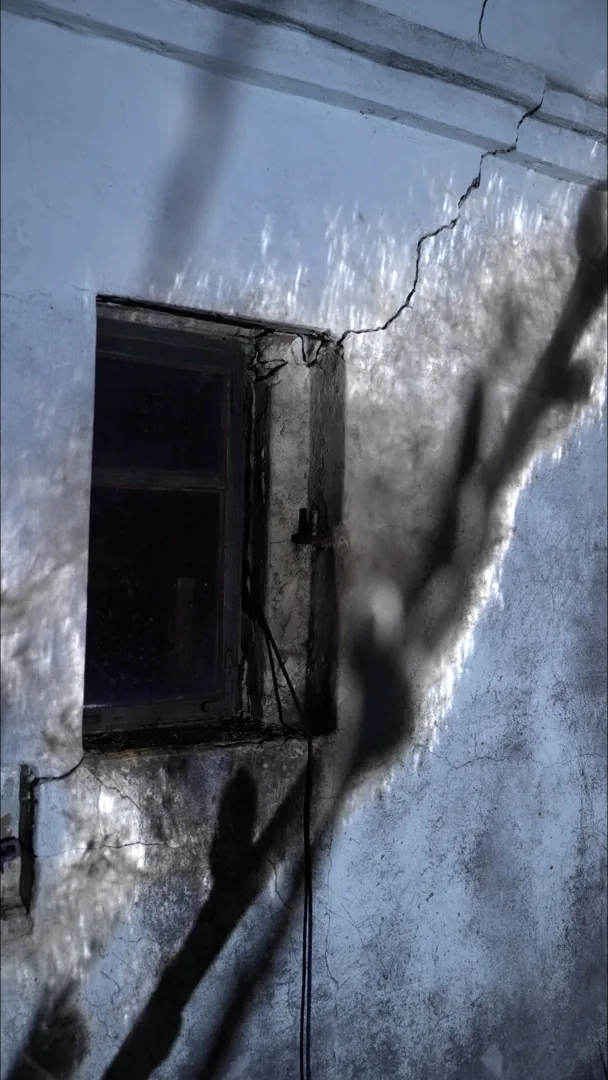
Rural Mapping – Projection Mapping in Public and Natural Space
Projection mapping is usually associated with city architecture. "Rural Mapping" shows it works just as powerfully on a barn or a farmyard.
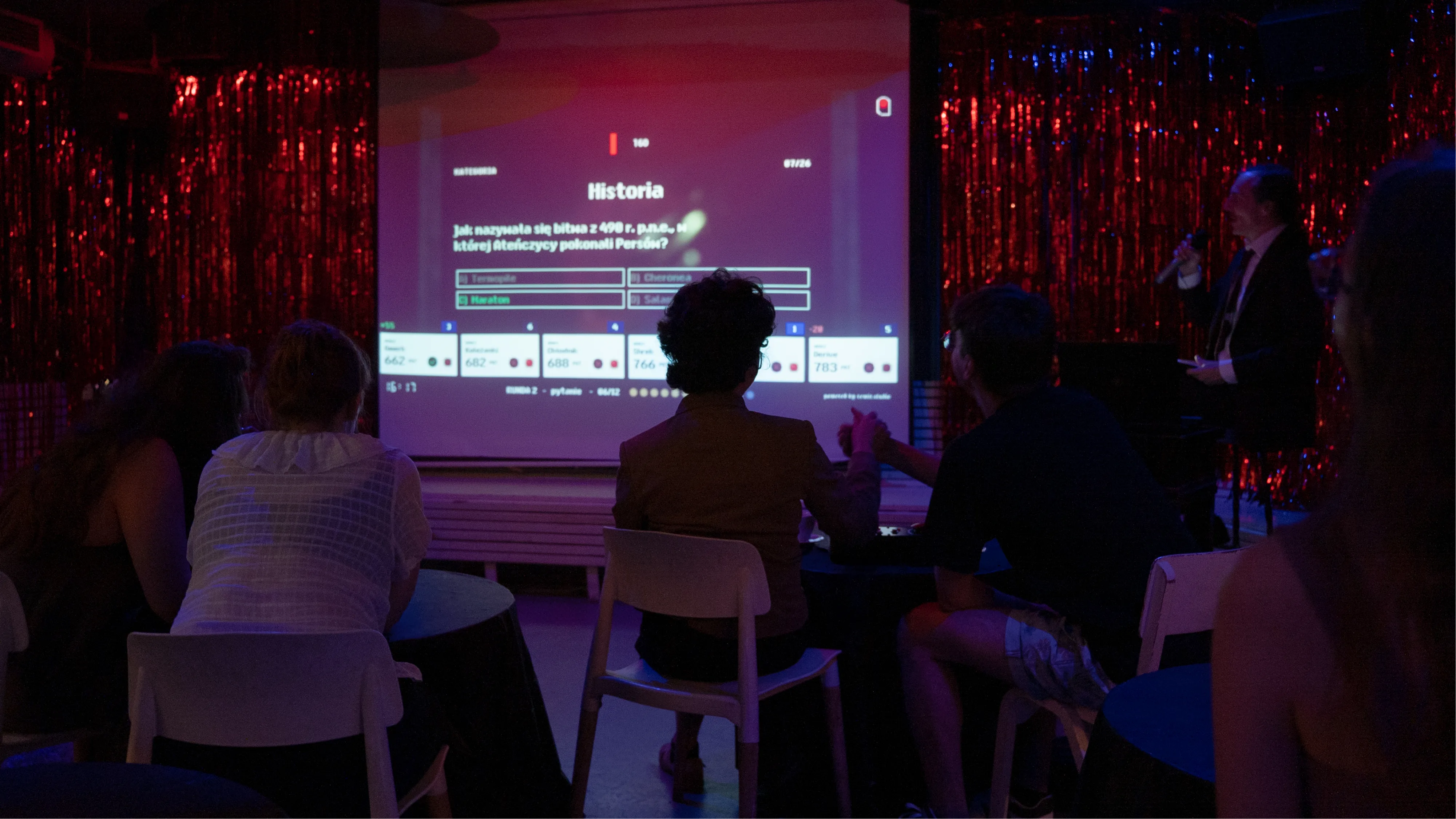
How Museums Use Gamification – A Review of Best Practices
From task cards to fully integrated quiz systems — a review of recurring gamification patterns in museum practice, and what determines whether they actually work.
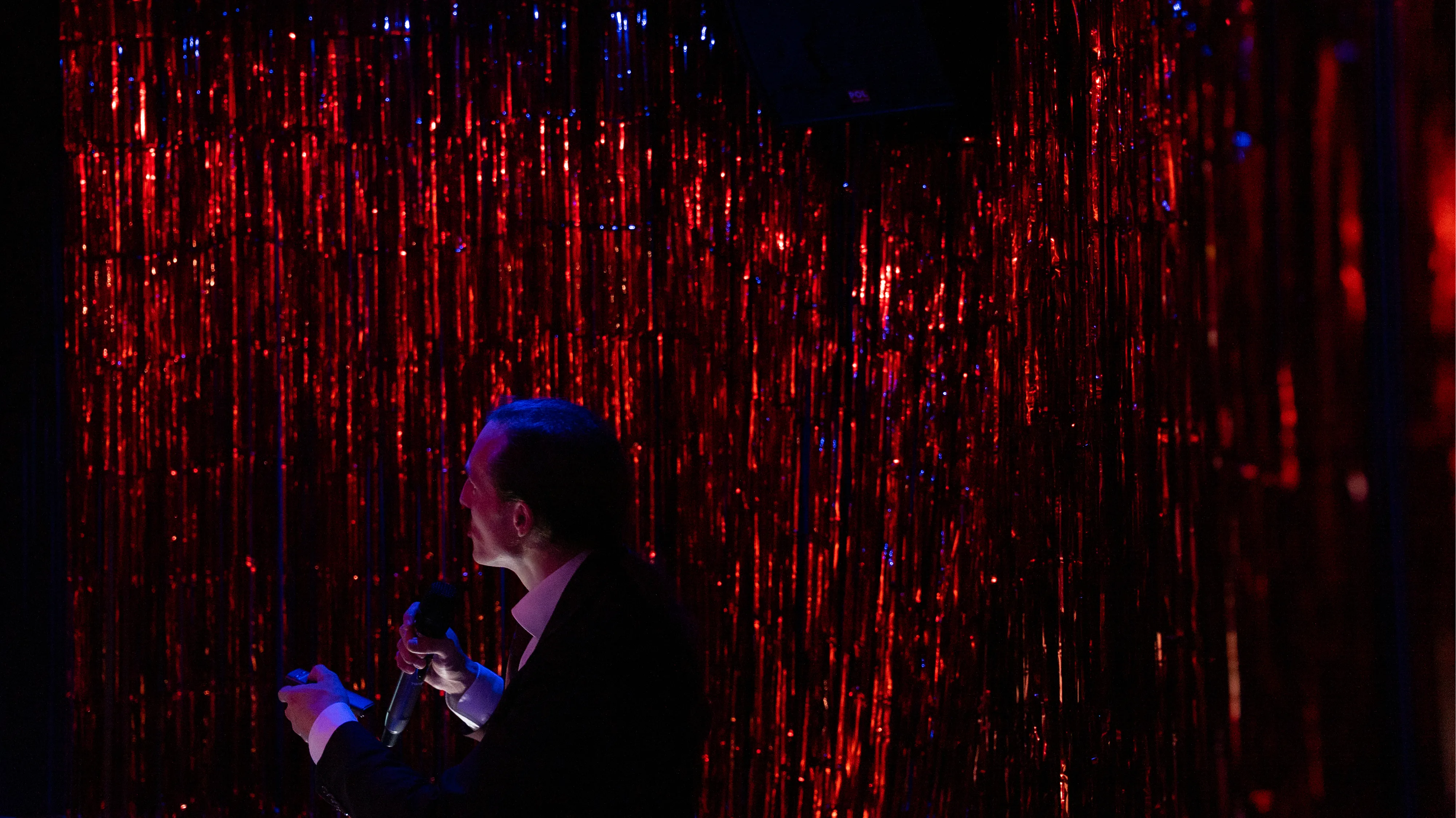
Rewanż in Museum Education – a Case Study of a Quiz Format for Cultural Institutions
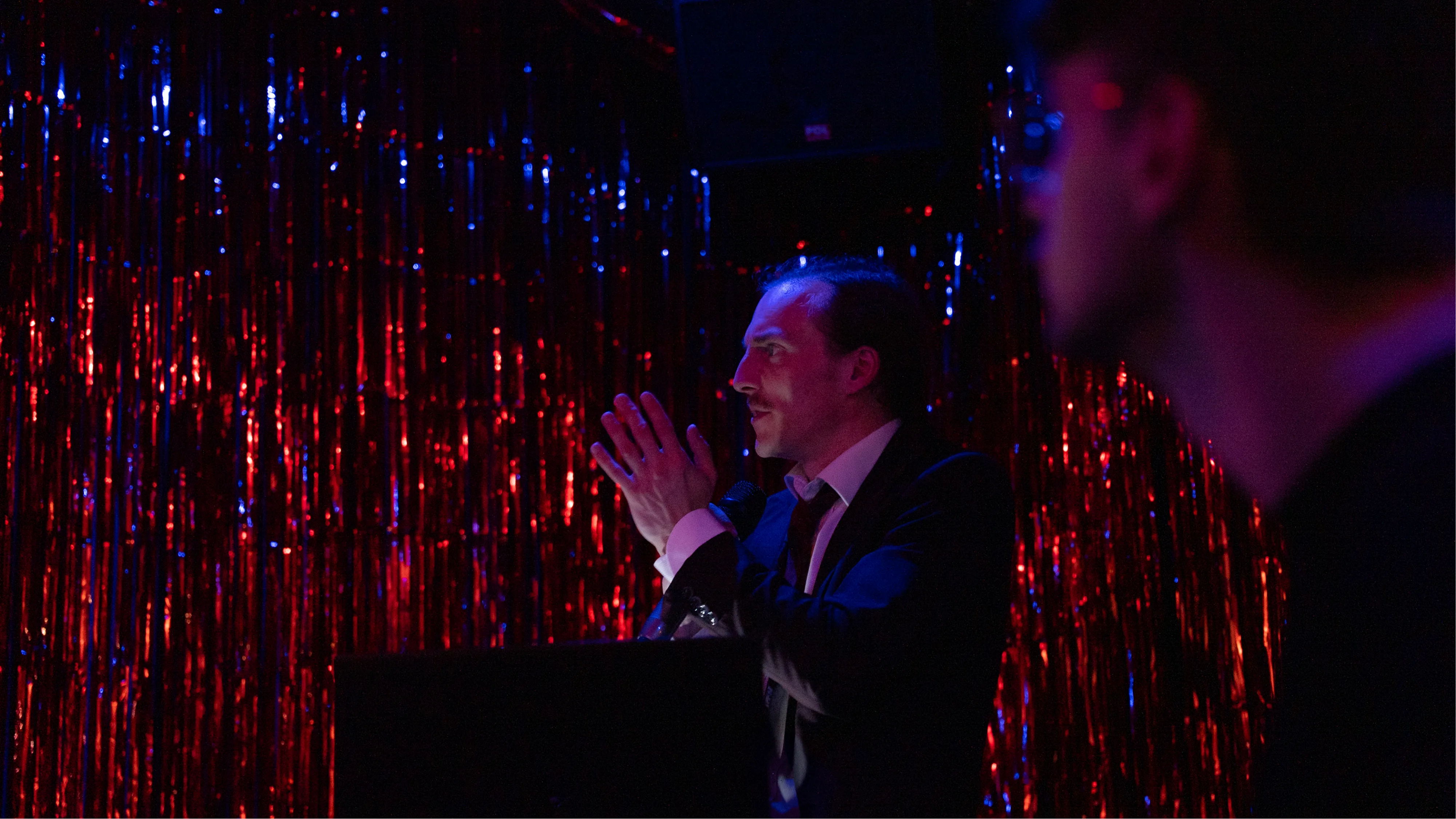
Rewanż started life as an interactive quiz show for corporate events — its mechanics translate just as well to museum education.
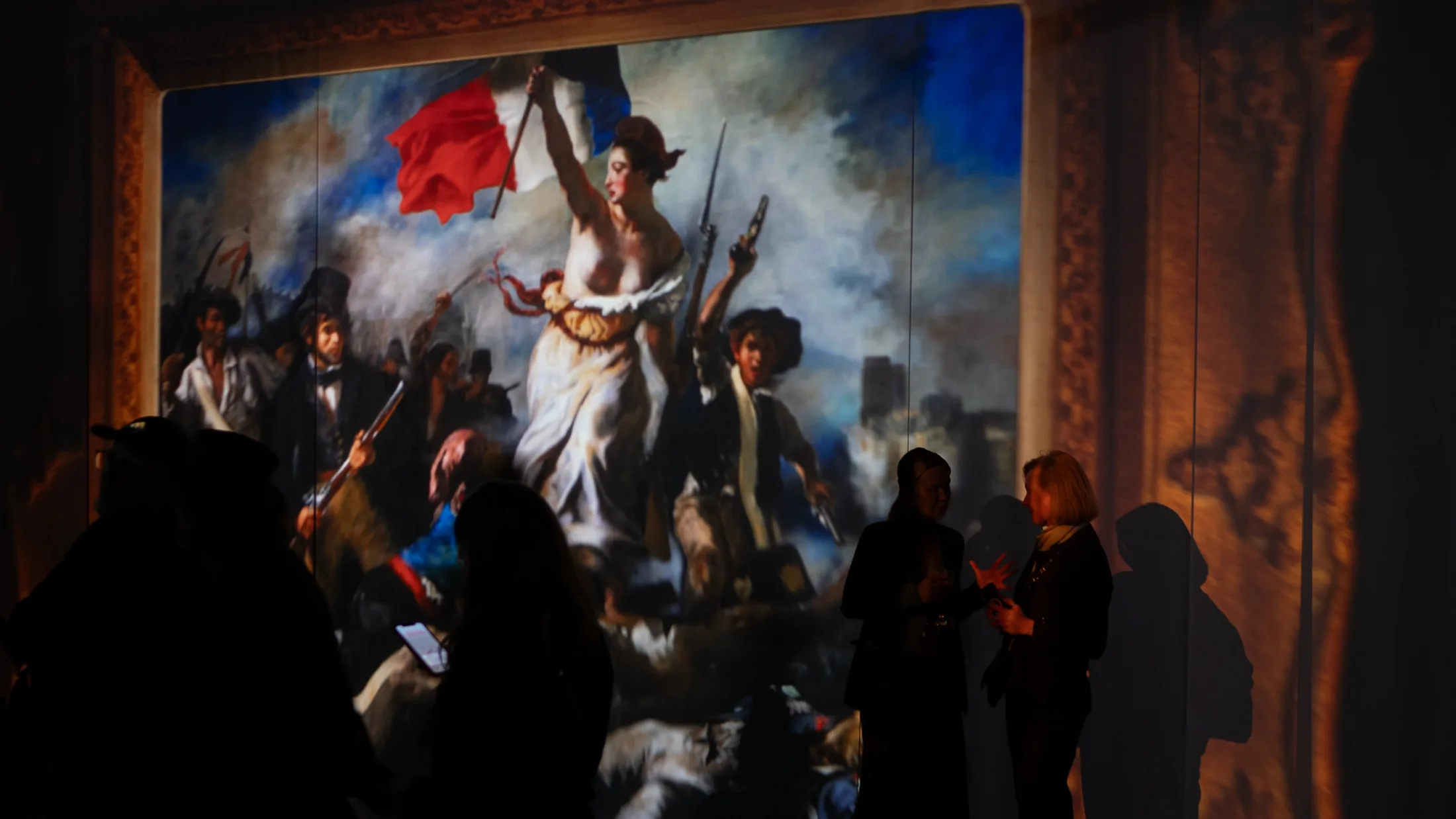
Museum Attendance and Technology – What Recent Data Shows
Does investing in interactive technology actually translate into museum attendance, or is it just an expensive gadget?
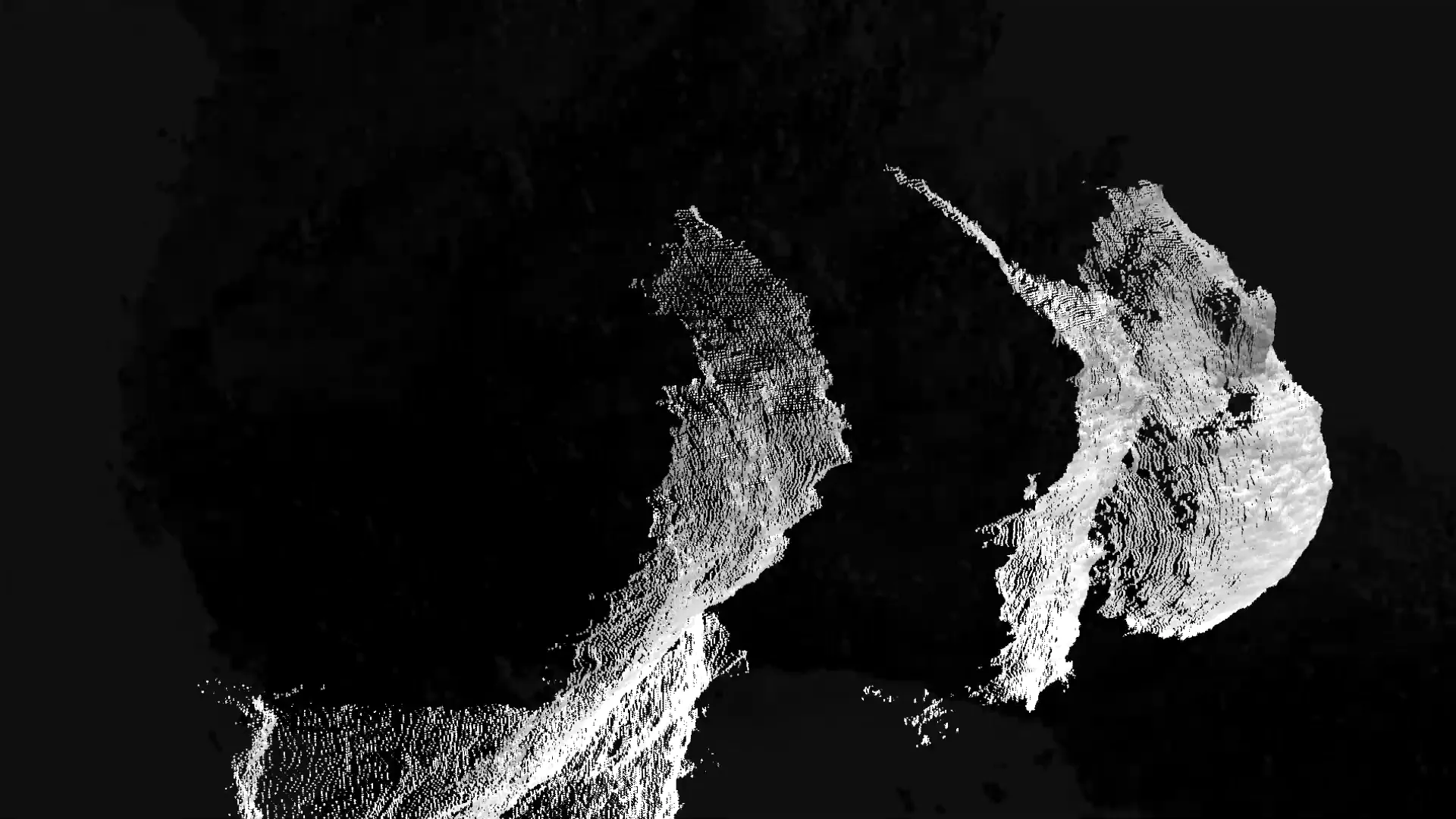
Real-Time Rendering in Scenography – Why Unreal Engine Is Replacing Pre-Rendered Animation
Linear animation can't keep pace with rehearsals and director's changes. Real-time rendering in Unreal Engine 5 changes that at the production-design stage.

XR in Culture: How Museums and Galleries Use VR/AR to Build Attendance
VR and AR in cultural institutions have stopped being an experiment — they're now a real tool for attracting new audiences and extending time spent at an exhibition.
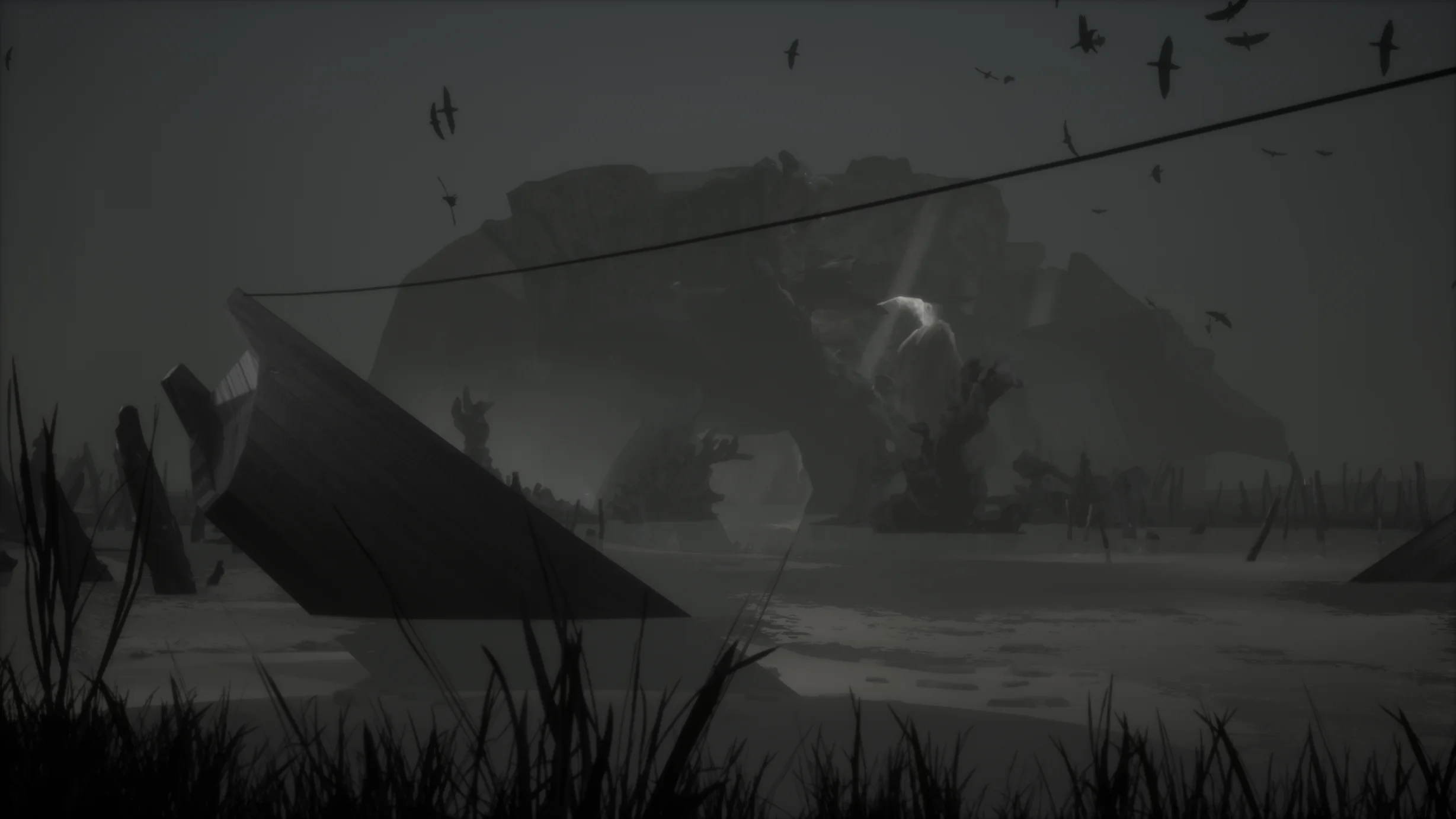
VR in Museums – Is It Worth Investing in Headsets, or in a Group Experience?
VR headsets deliver a sense of presence nothing else can replicate — but they only serve one person at a time. It's worth knowing the alternative.
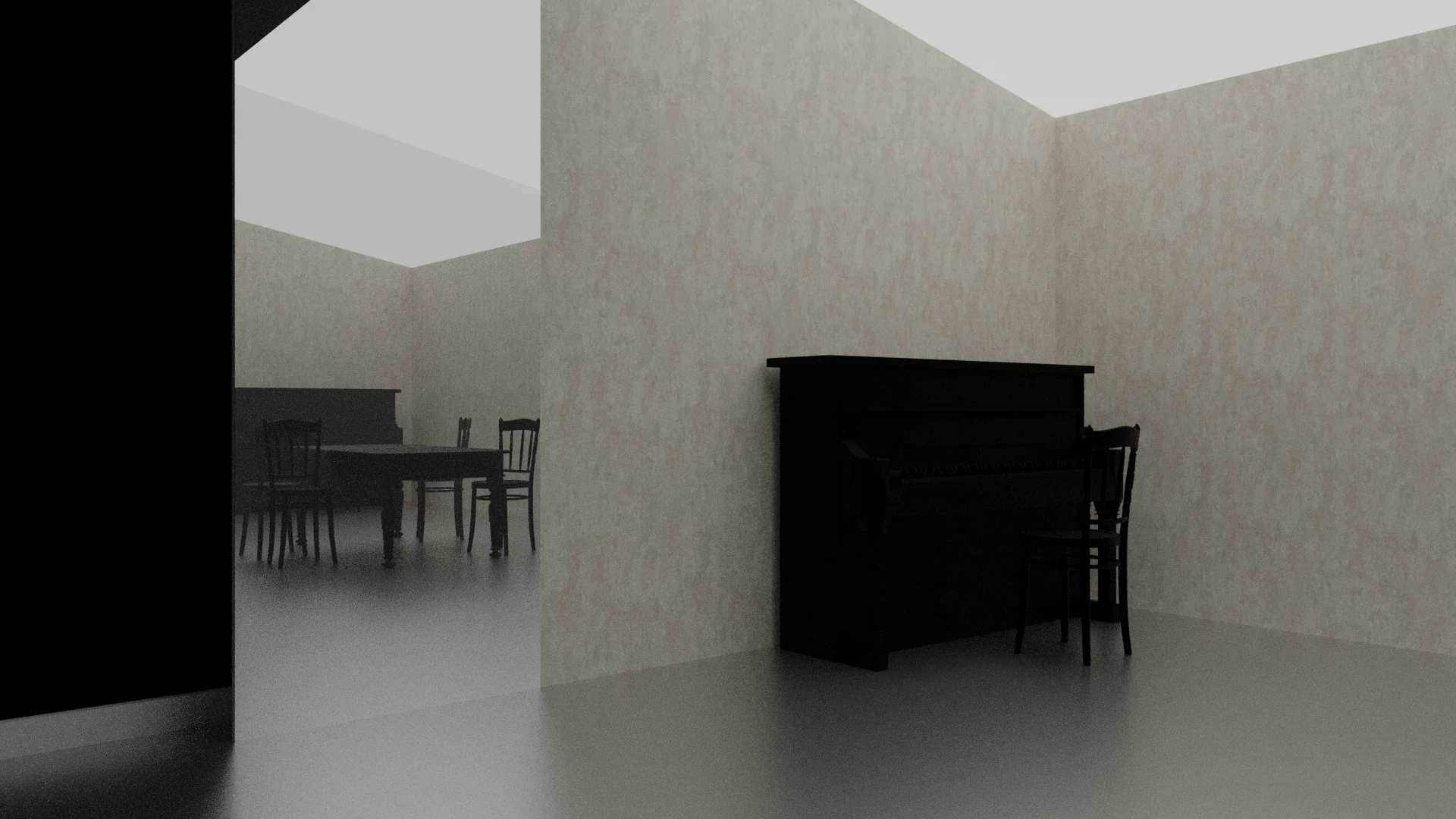
Interactive Scenography – Definition and Examples
Interactive scenography is a stage space that responds — to the performer, to light, sound, or stage action — instead of remaining a static backdrop.
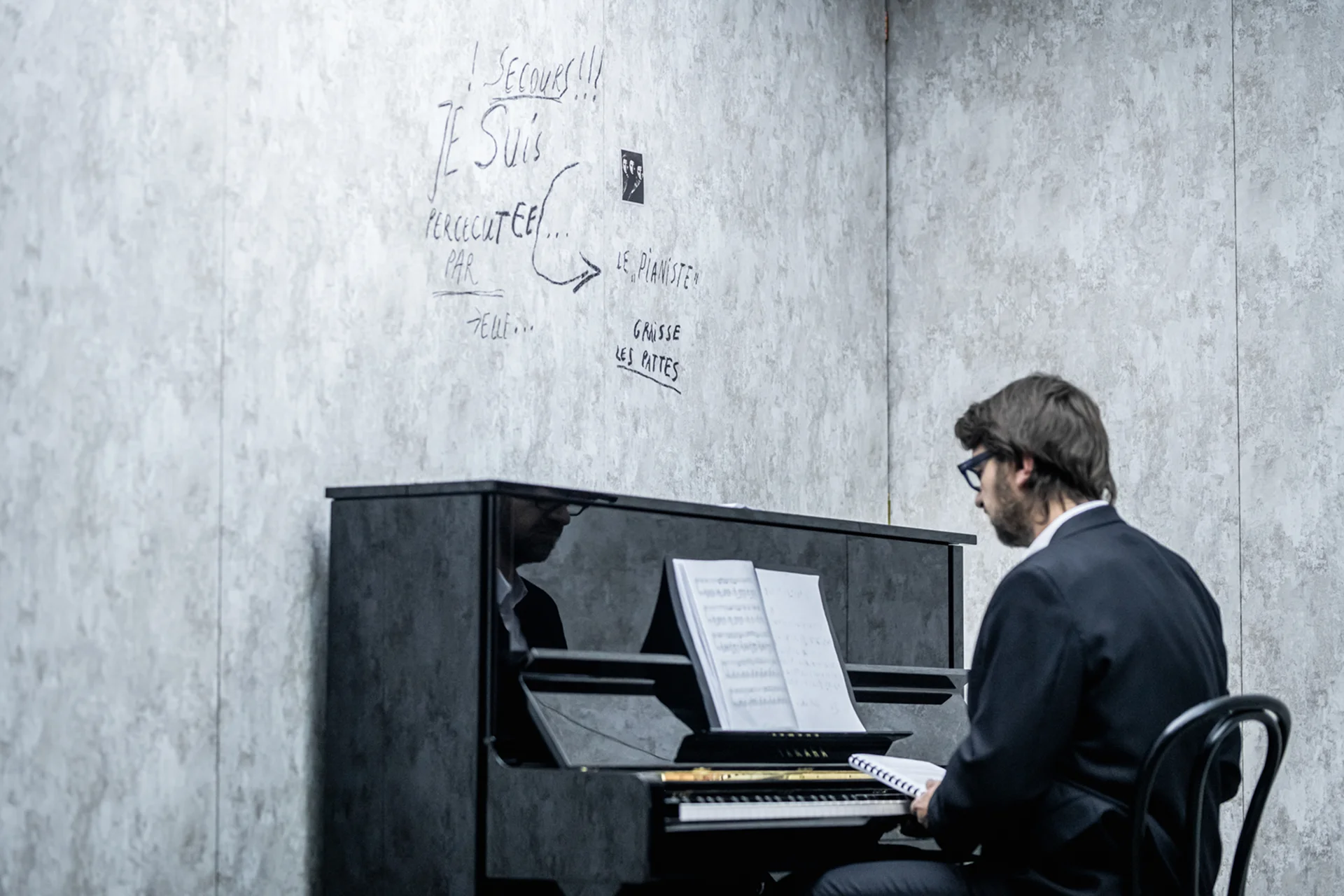
Immersive Theatrical Scenography – What It Means and When It Works
Immersive scenography is a way of designing space in which image, light, and architecture form a single system — not an effect bolted on at the end.
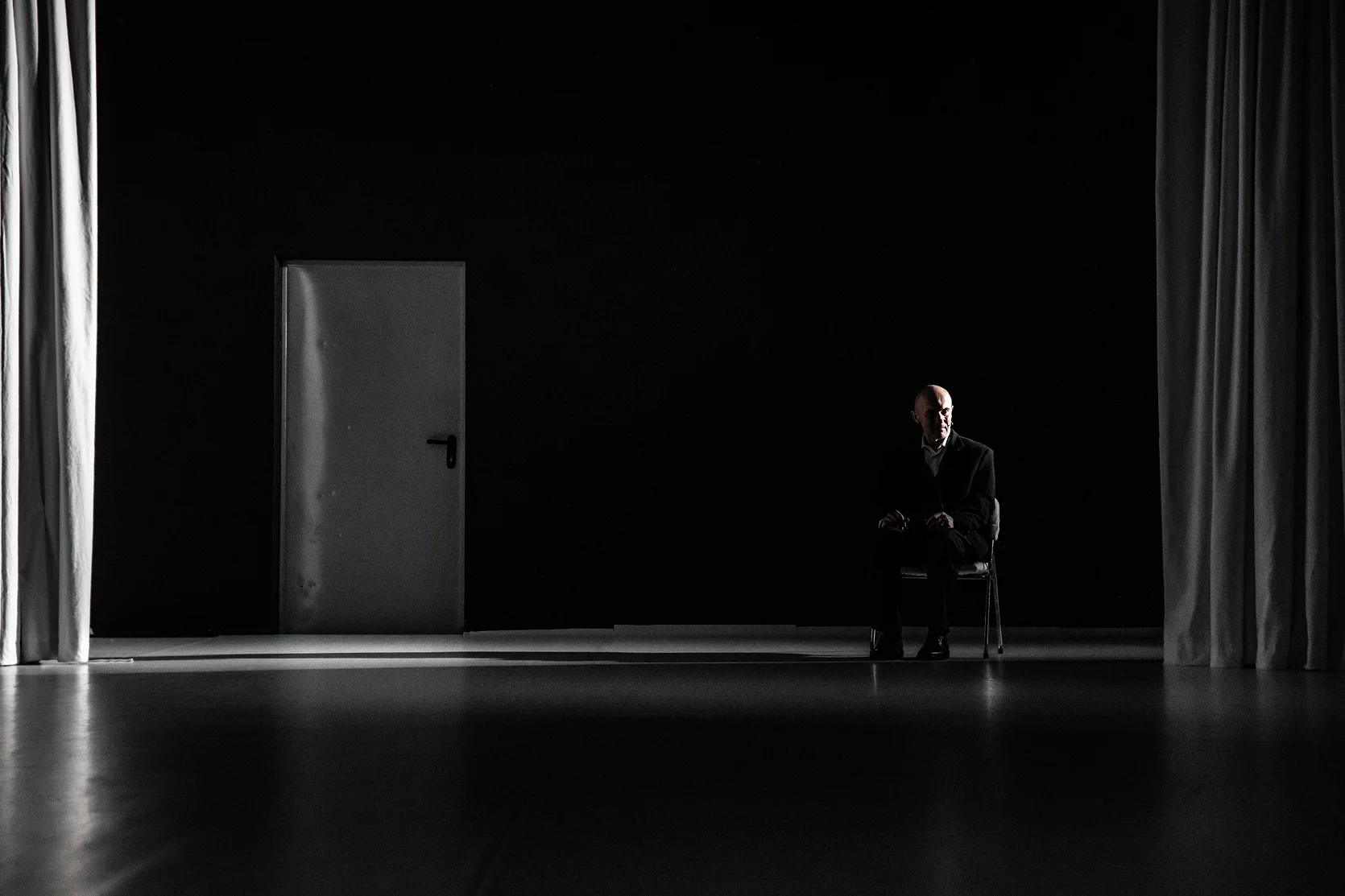
DMX in Theatrical Scenography – Controlling Light and Multimedia from a Single Console
The more layers a production has — light, projection, stage mechanics — the more important a single, shared control system becomes. DMX is the protocol that makes it possible.
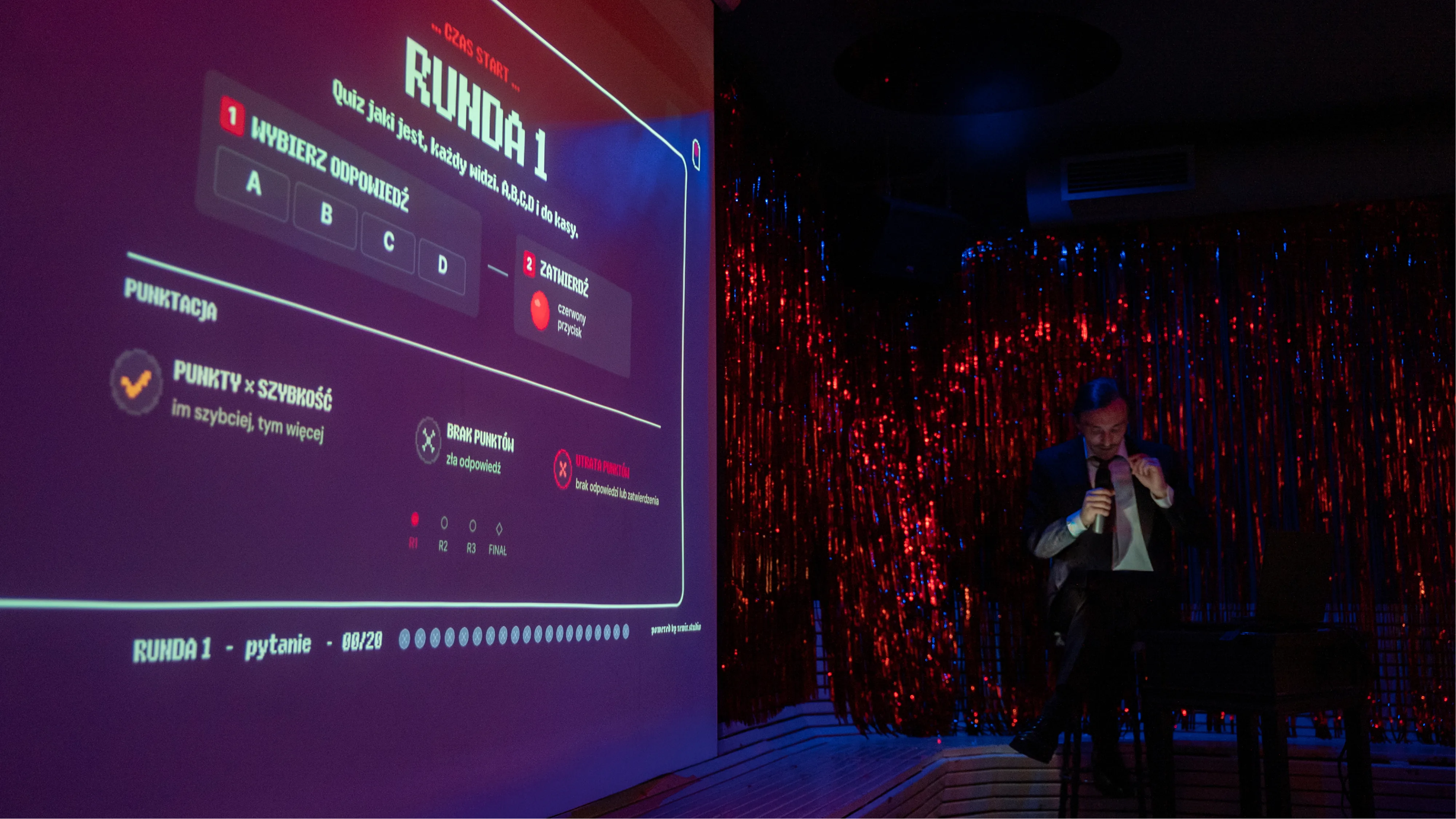
VR or Interactive Quiz – How to Choose the Right Educational Technology for a Temporary Exhibition
A temporary exhibition is a chance to experiment, but it raises a question: VR or a group interactive quiz? These two directions answer very different needs.
Projection Mapping Step by Step: From 3D Scan to Opening Night
Projection mapping doesn't start with a projector. It starts with getting to know, in detail, the object the image will land on. We walk through the whole process, stage by stage.
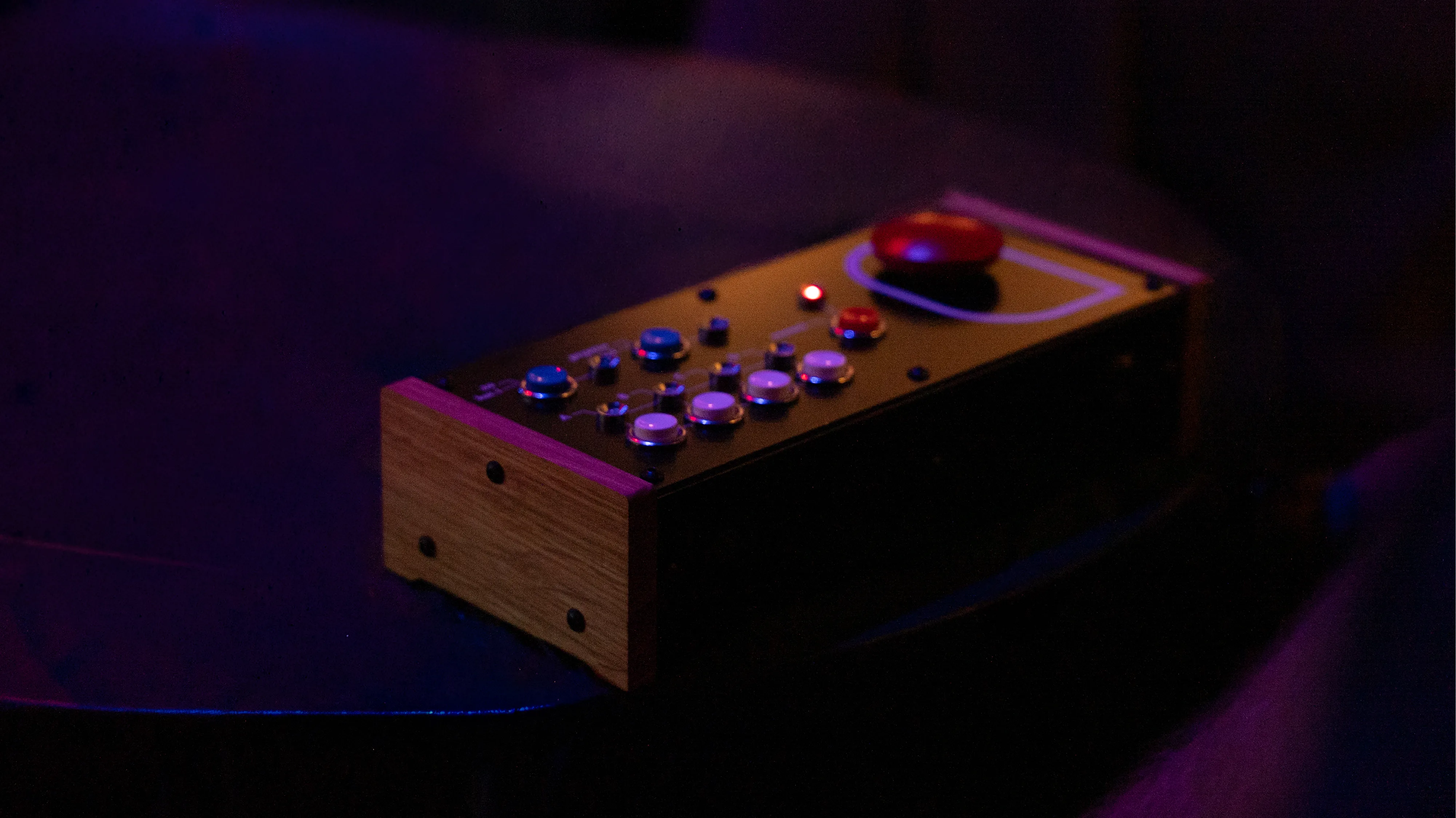
Gamification in Museums – How a Quiz Changes the Way We Experience an Exhibition
Scoring, competition, and instant feedback turn a passive viewer into an active participant in the exhibition.
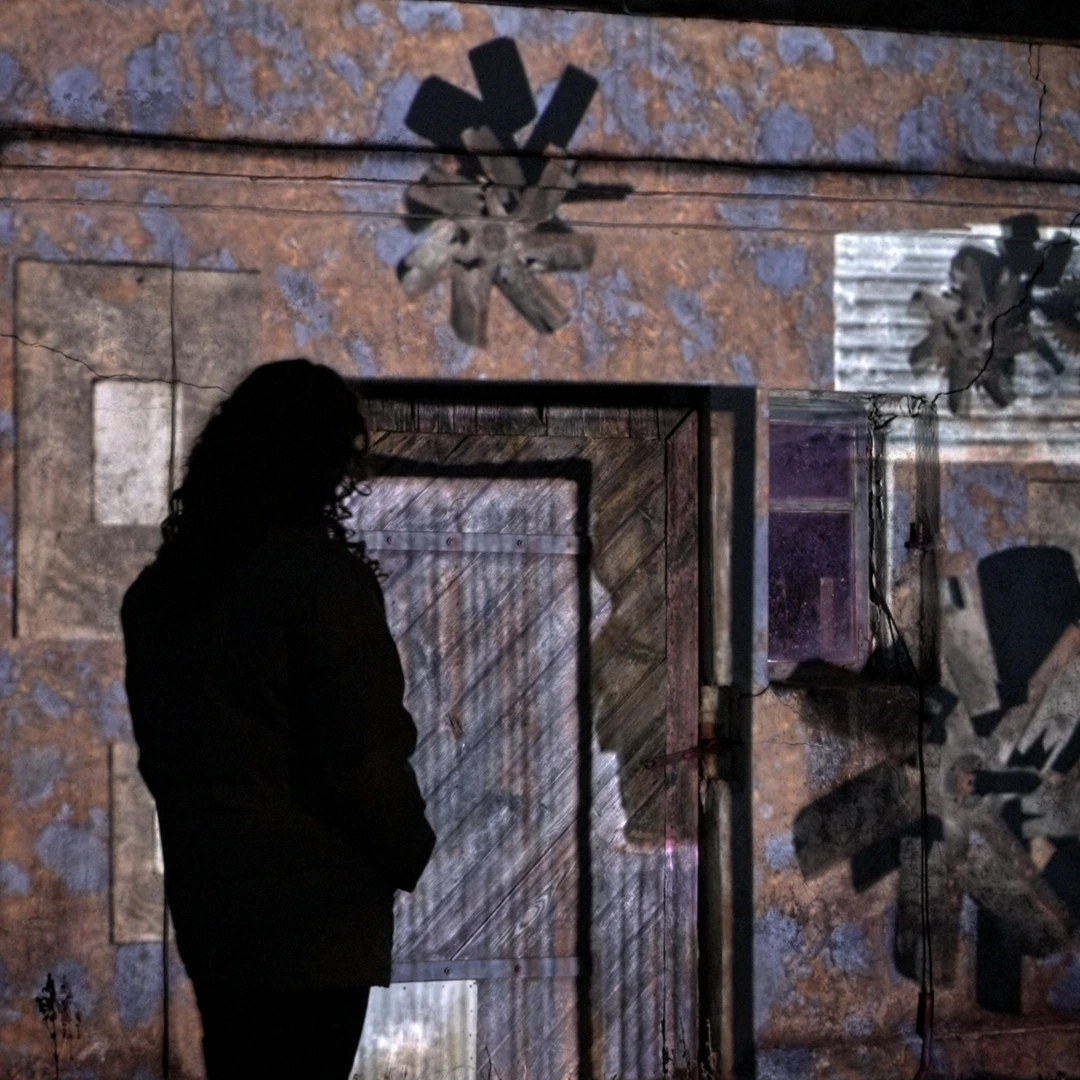
Projection Mapping on a Historic Facade – Is It Safe for the Building?
Projection mapping on a historic townhouse façade — no intervention in the structure, no fixings on the wall. What you actually need to settle to get conservation approval.
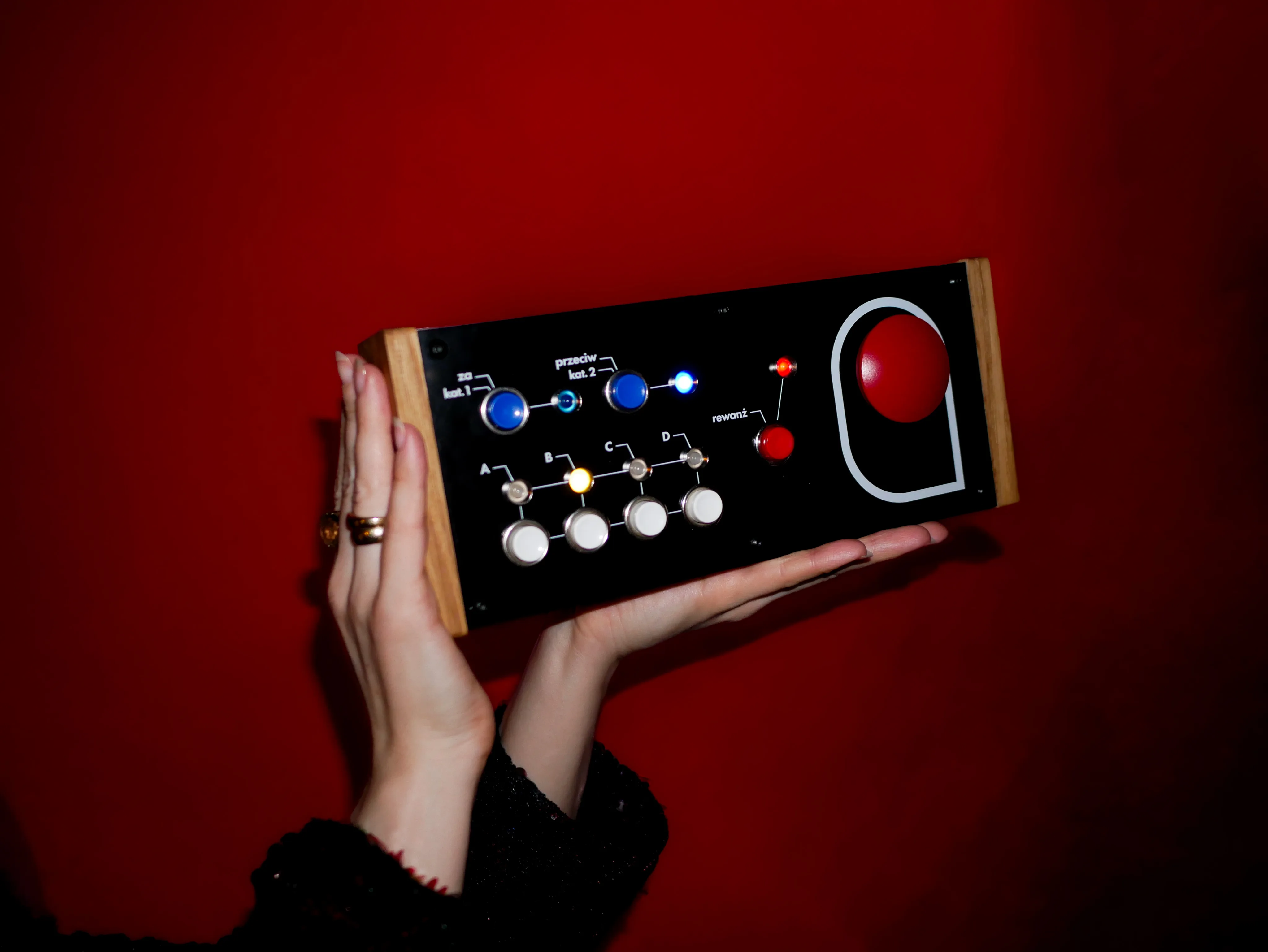
ESP32 Technology and Buzzers in Education – How a Quiz Works Without a Phone App
A phone app sounds simpler than ESP32 consoles for a museum quiz — until you factor in Wi-Fi inside a historic building and groups without their own smartphones.
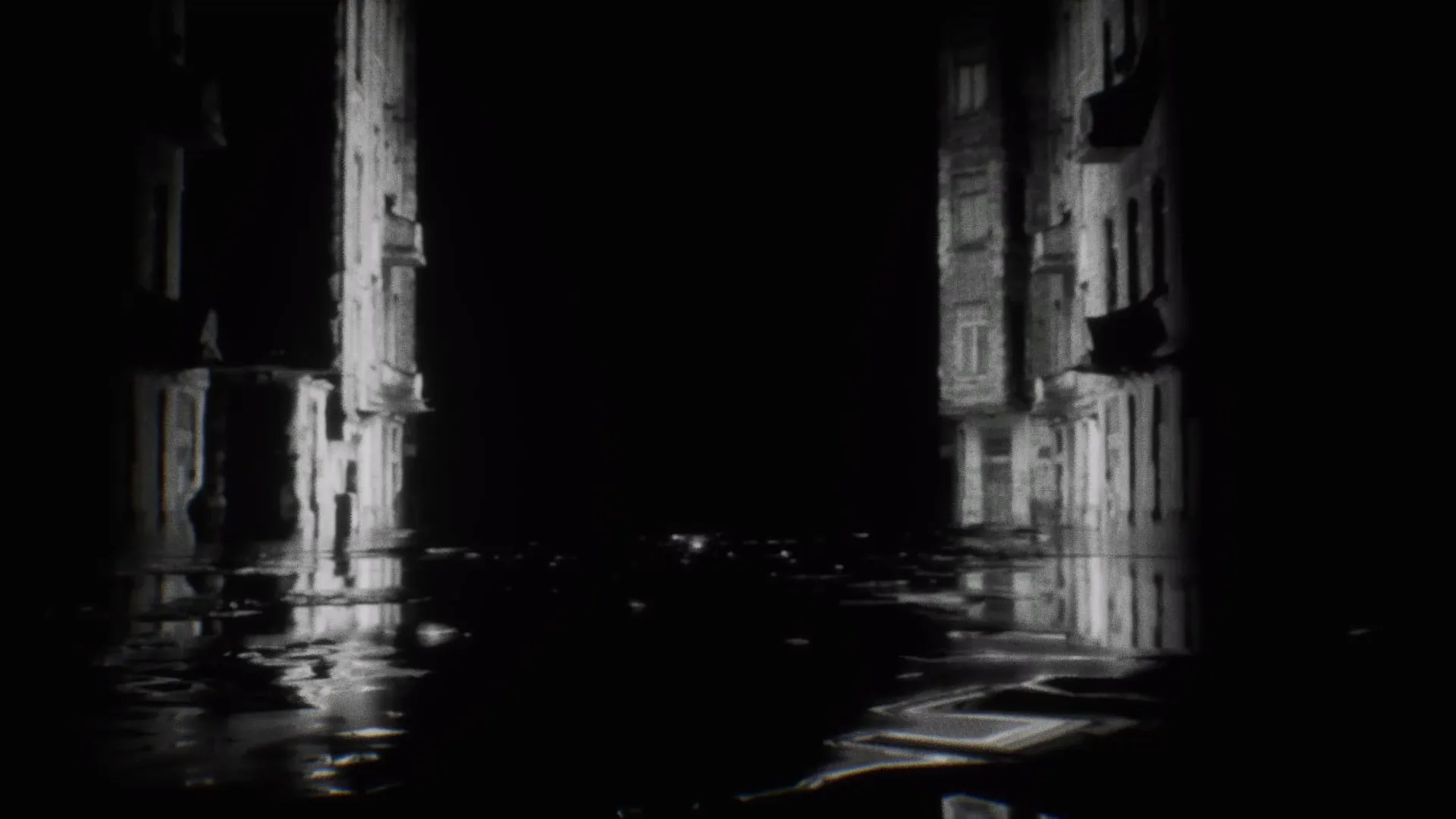
UST vs LED Wall – How to Choose the Right Projection Technology for a Small Space
In a small theatre auditorium, a UST projector and an LED wall solve the same problem in completely different ways. How to get the choice right the first time.
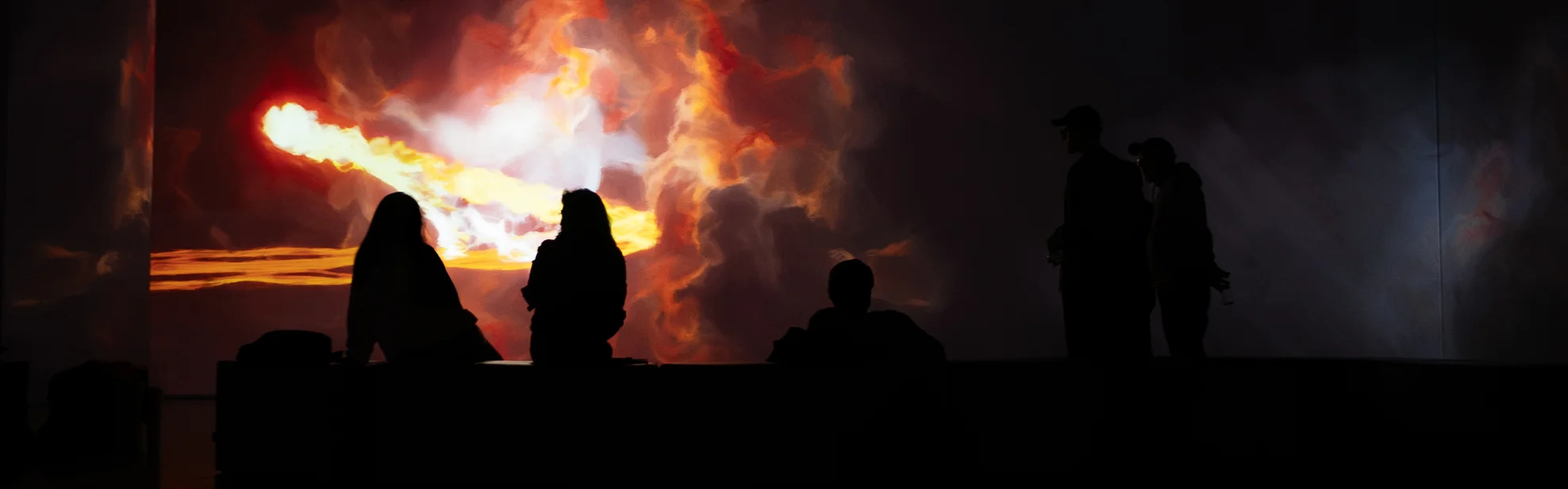
Projection Mapping in Theatre — How Image Becomes Part of the Set
Why projection stops being an add-on to the set and becomes an integral part of it — and what that means for directors, set designers, and audiences.
What Is Immersive Narrative
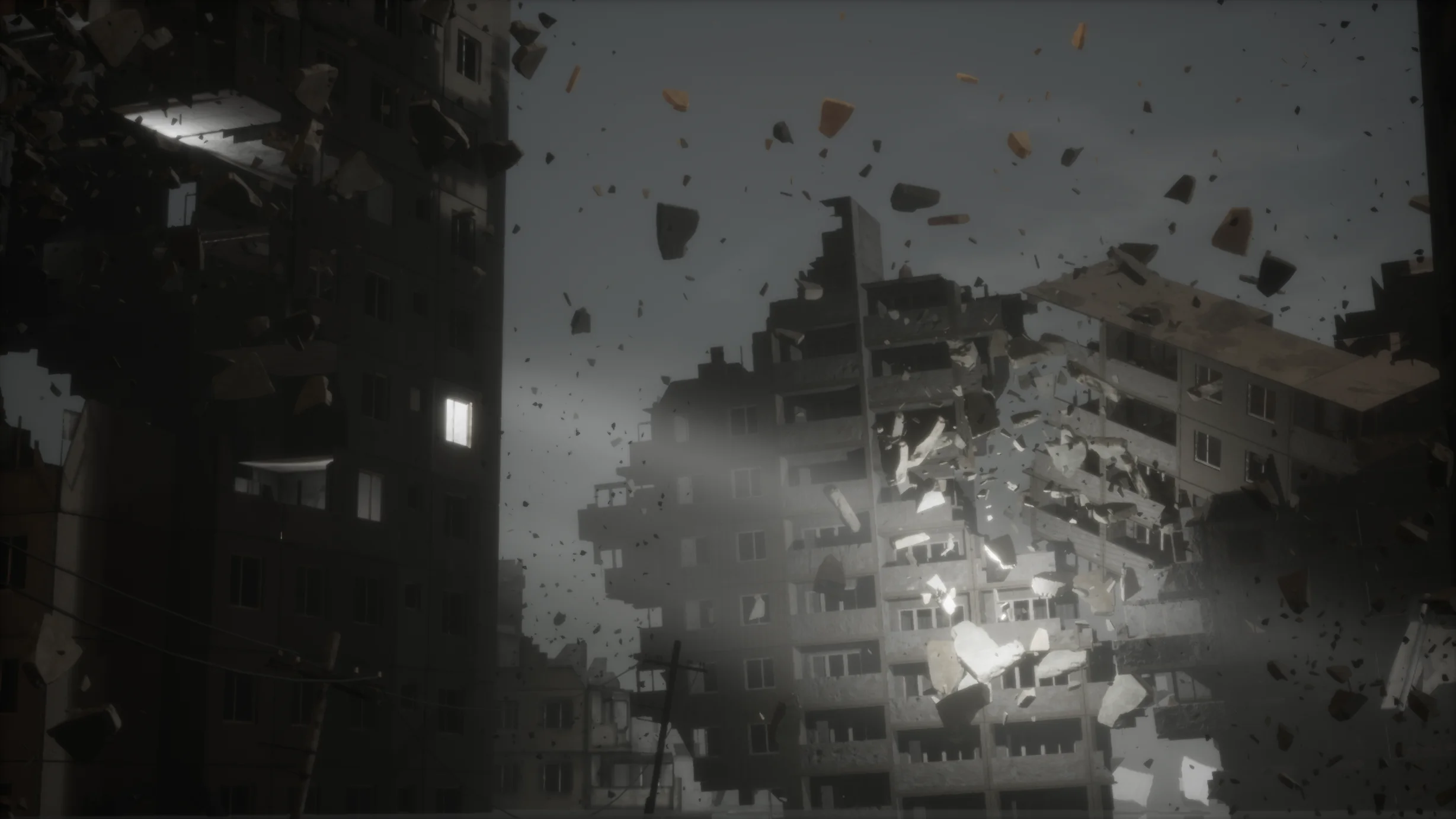
Immersive narrative is a way of telling a story where the audience doesn't watch it from outside, but experiences it as an active participant.
How to Revive a Permanent Museum Exhibition Without Replacing the Display Cases
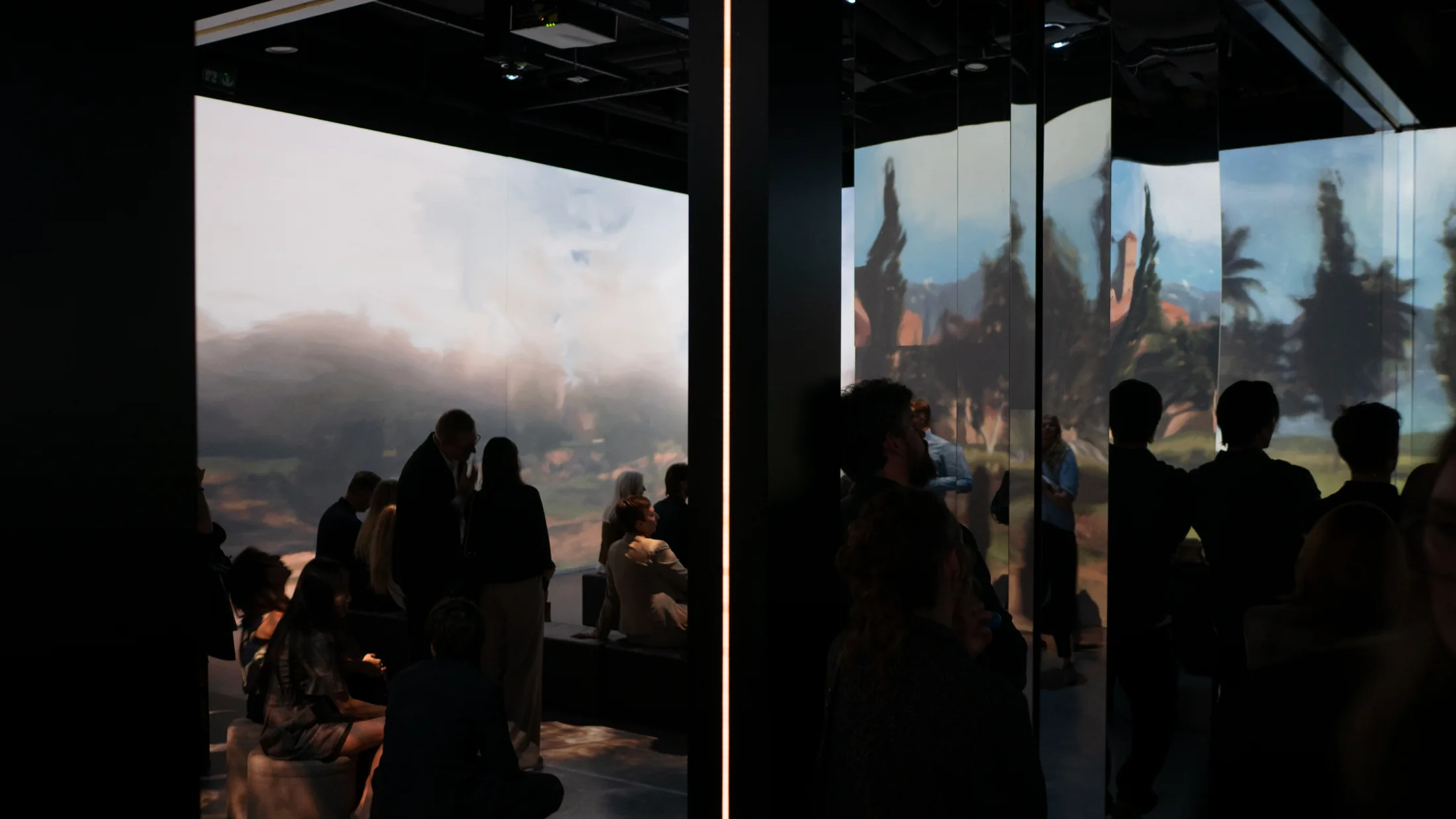
Modernizing a museum exhibition doesn't have to mean replacing the infrastructure — projection and interactive elements can refresh how an exhibition is experienced at a lower cost.
What Is Projection Mapping
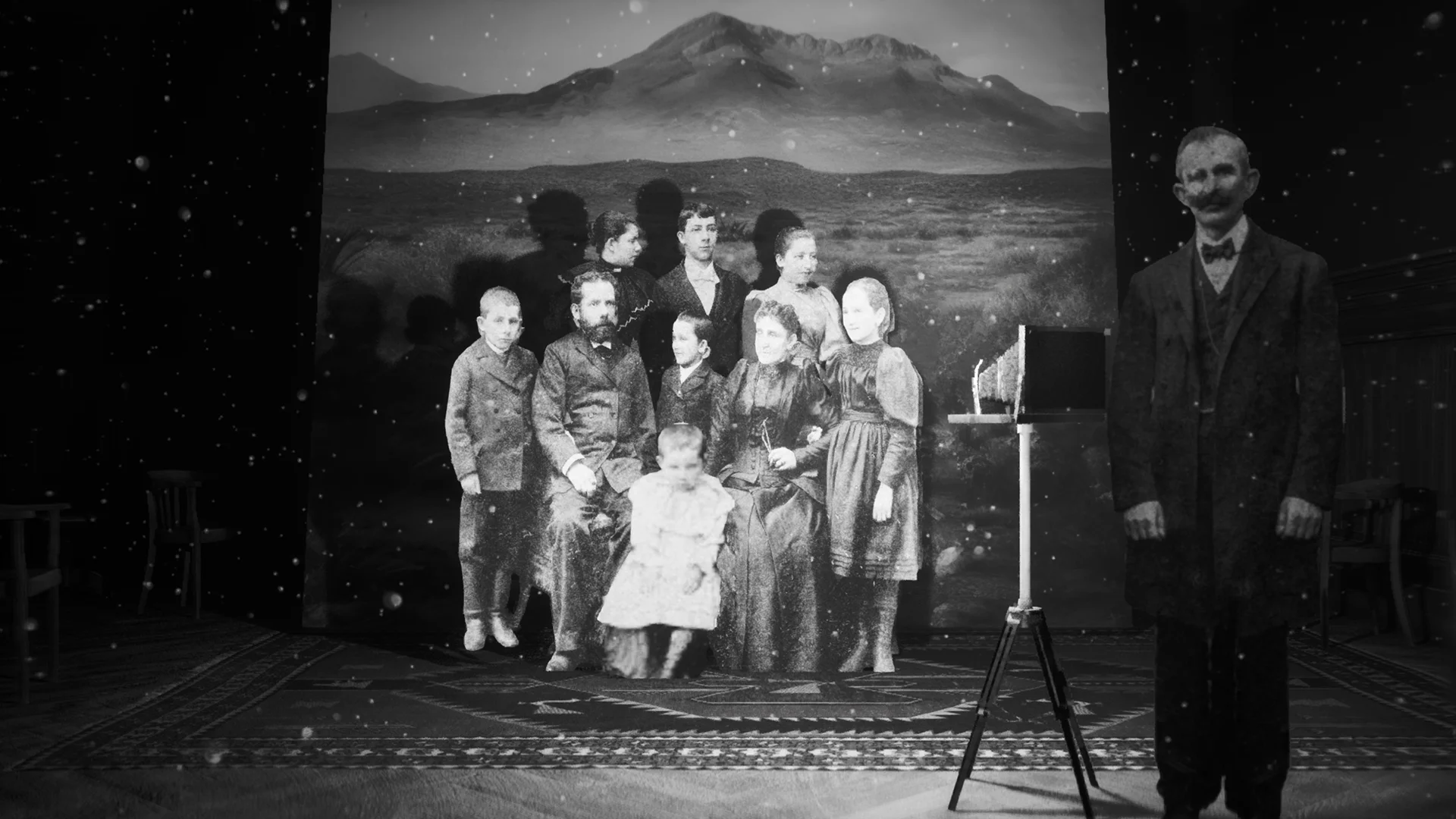
What is mapping? Projection mapping (3D mapping) is projection fitted to an object's actual geometry — a building, a set piece, an object — rather than to a flat screen.
How to Engage a School Group in a Museum Without a Boring Lesson
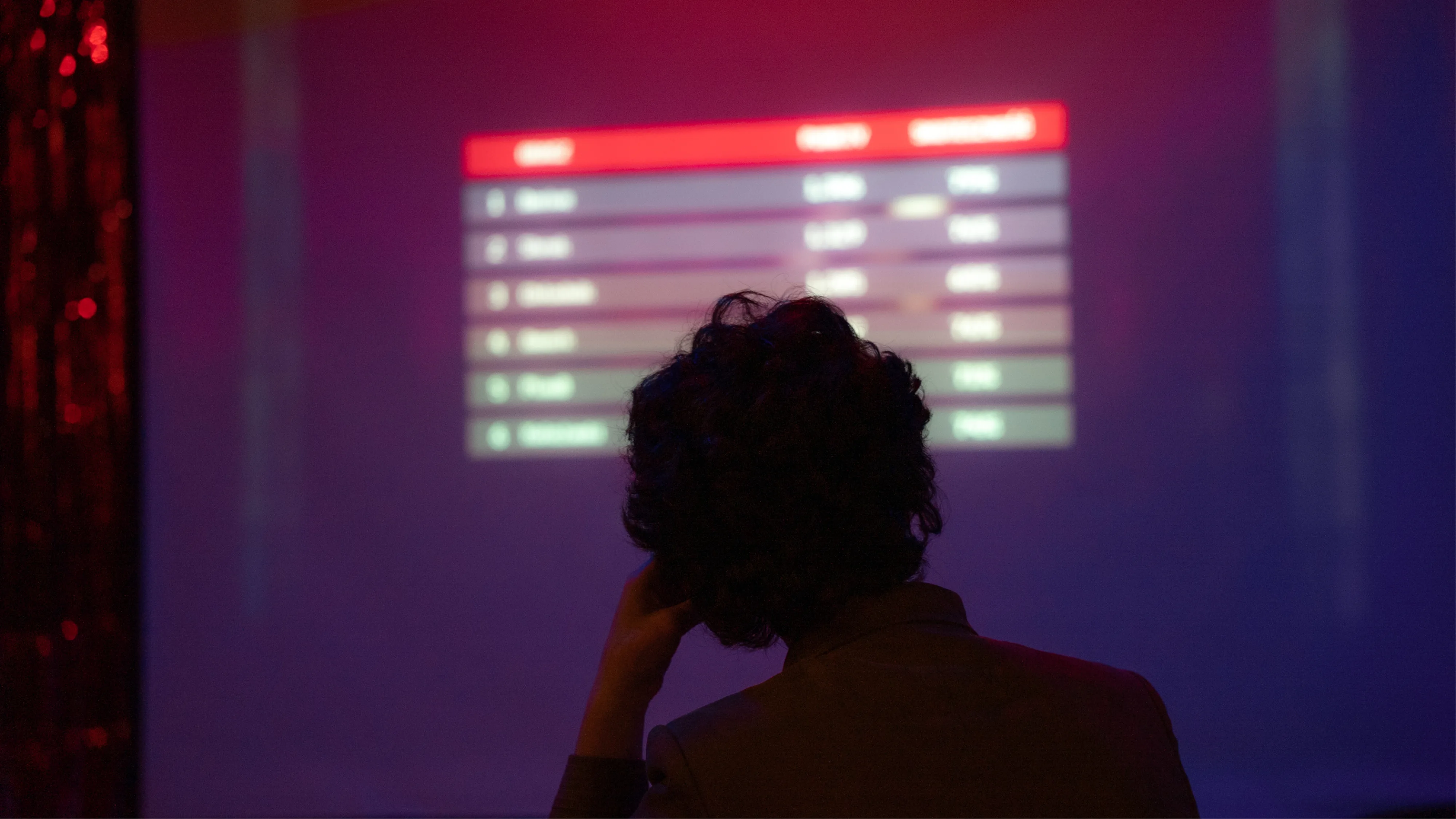
The "guide talks, students listen" model assumes passivity — and passivity is the single biggest enemy of attention in children and teenagers. Gamification for school groups in museums works differently.
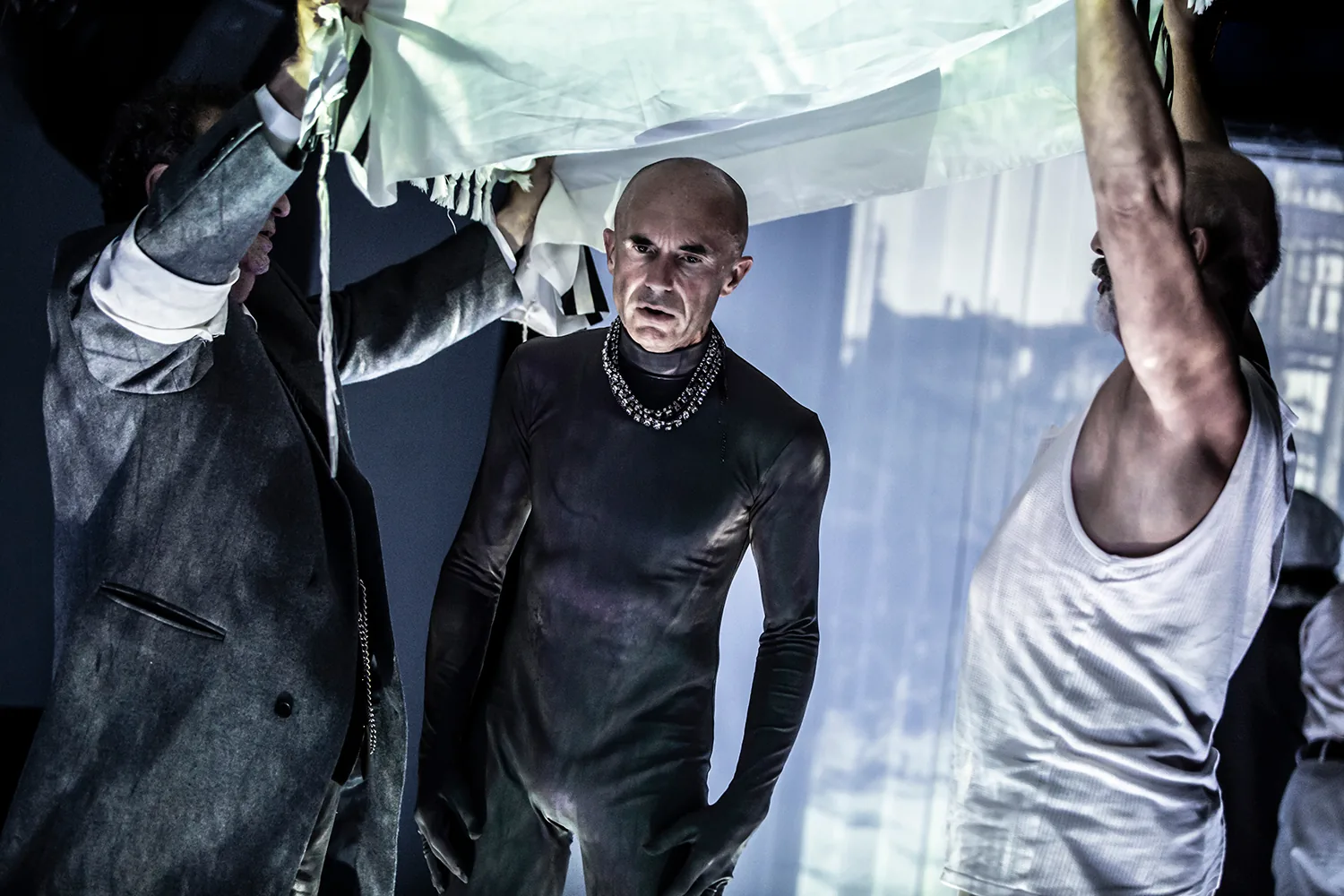
Jewish Theatre, Warsaw – Two Projection Mapping Productions, Two Different Approaches
"Songs of the Ghetto" and "The Book of Paradise" — two productions for the Jewish Theatre in Warsaw, in which projection plays an entirely different dramaturgical role.
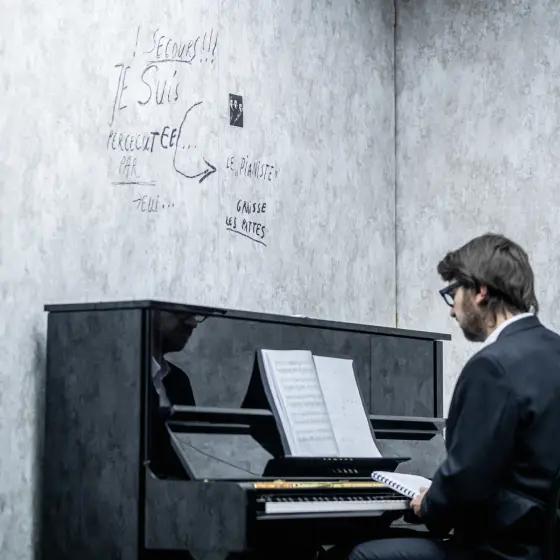
VR Preview – How to See a Set Design at Full Scale Before It's Built
Set design decisions are usually made from a scale model and technical drawings. VR lets you step inside the design at full scale before the first nail goes in.

Scenography for the Śląski Theatre – the Design Process Behind "The Kindly Ones"
How to design a stage hologram for a theatrical adaptation of Littell's "The Kindly Ones" — a case study of our production for the Śląski Theatre, directed by Maja Kleczewska.
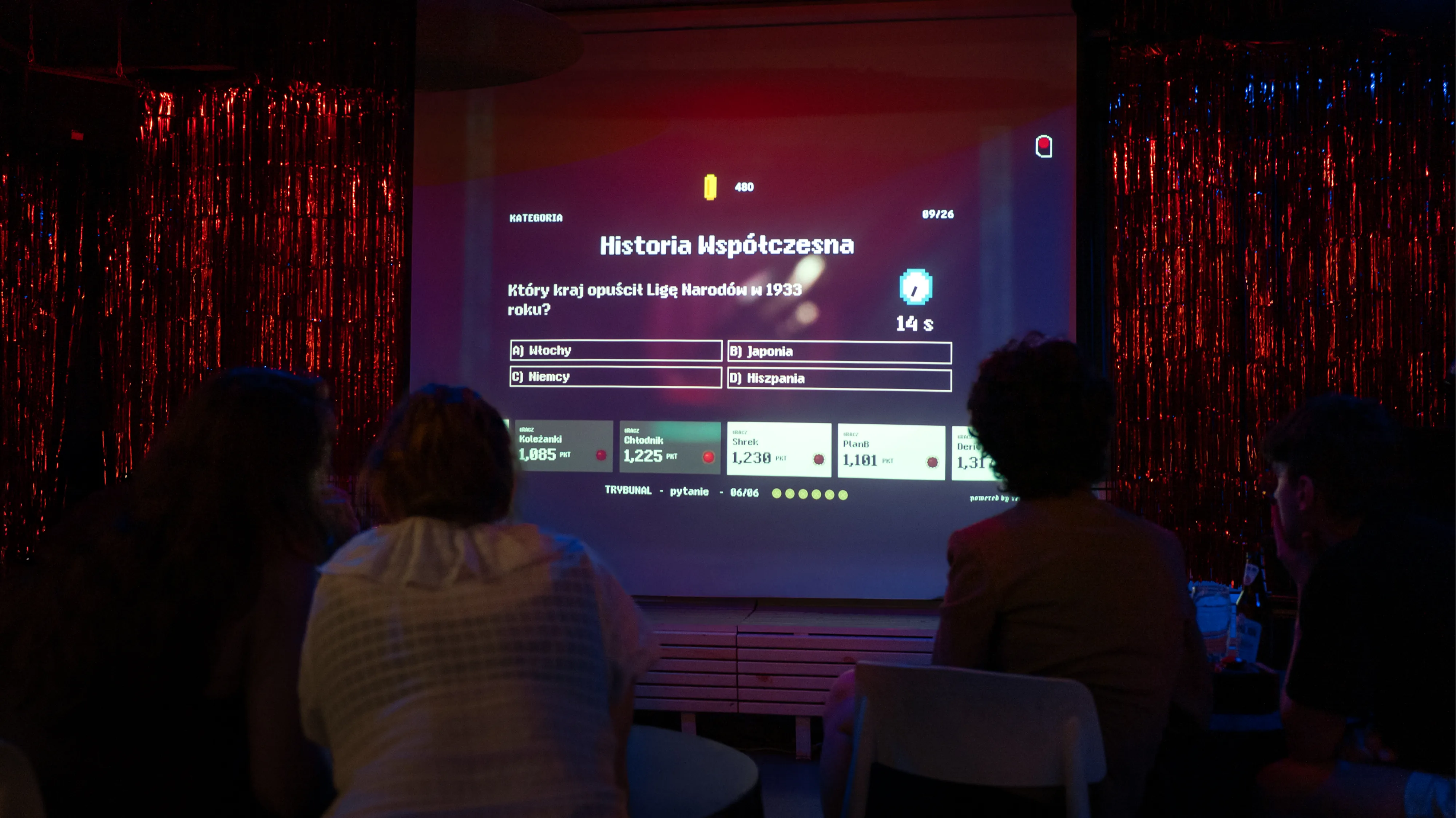
How to Build a Museum Quiz That Teaches, Not Just Entertains
The biggest risk of museum gamification: a format that's great fun but teaches nothing. How to find the right balance.