
3D Mapping on a Building — What It Looks Like in Practice
July 30, 2026
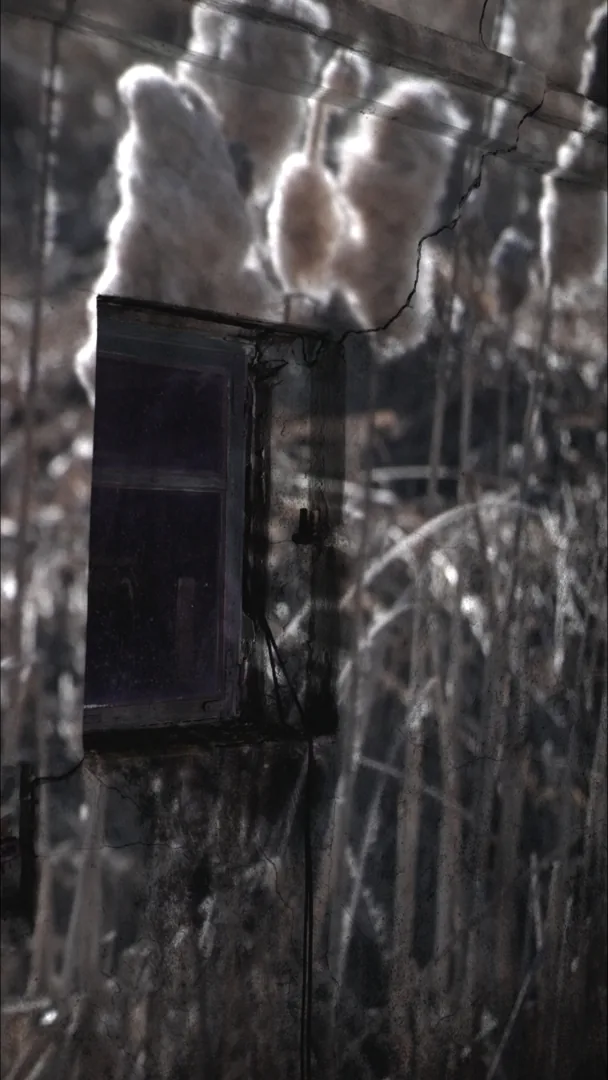
Before 3D mapping ever touches a building, it's just an animation on a flat screen. What happens between the design and the premiere decides whether the image actually "enters" the form or simply gets displayed on top of it. Here are a few productions that show how differently the same technique can look depending on scale and object type — more on the method itself in what projection mapping is.
Rural Buildings and Open Space — Rural Mapping
"Rural Mapping" is a series of installations staged in spaces of the Polish countryside — barns, cottage interiors, farmyards. The scale here is intimate, but the technical challenge stays the same: the image has to hit every window, frame and irregularity in the wall for the building to start "telling a story" instead of just serving as a backdrop.
Historic Façades — Different Stakes for Error
Mapping on a building listed as a historic monument follows different rules than on a contemporary structure — there's no question of intervening in the structure, and every element of the projection has to be reversible. We cover this in more depth in is projection mapping on a historic façade safe.
An Interior as a Form — Mapping in Theatrical Scenography
Mapping doesn't need an exterior wall to follow the same logic of fitting to geometry. In "The Kindly Ones" for the Śląski Theatre, the projection is integrated with the physical set and the director's own lighting — mapping at an intimate scale, where precision of fit matters just as much as it does on a multi-story façade. More on this approach in projection mapping in theatre.
What Affects the Scale and Cost of a Production Like This
- Size and complexity of the form — the number of projectors and the light output needed scale with the surface area and the number of irregularities to be mapped.
- Access to the object before the premiere — the more time available for on-site testing, the lower the risk of surprises on show day.
- Outdoor conditions — ambient light and weather determine what projector power and what time of day even make sense.
- The object's status — a historic monument requires additional arrangements and mounting solutions that don't intervene in the structure.
If you're considering 3D mapping for your building — whatever the scale — get in touch or see our full projection mapping service.