
Projection Mapping Step by Step: From 3D Scan to Opening Night
April 3, 2026
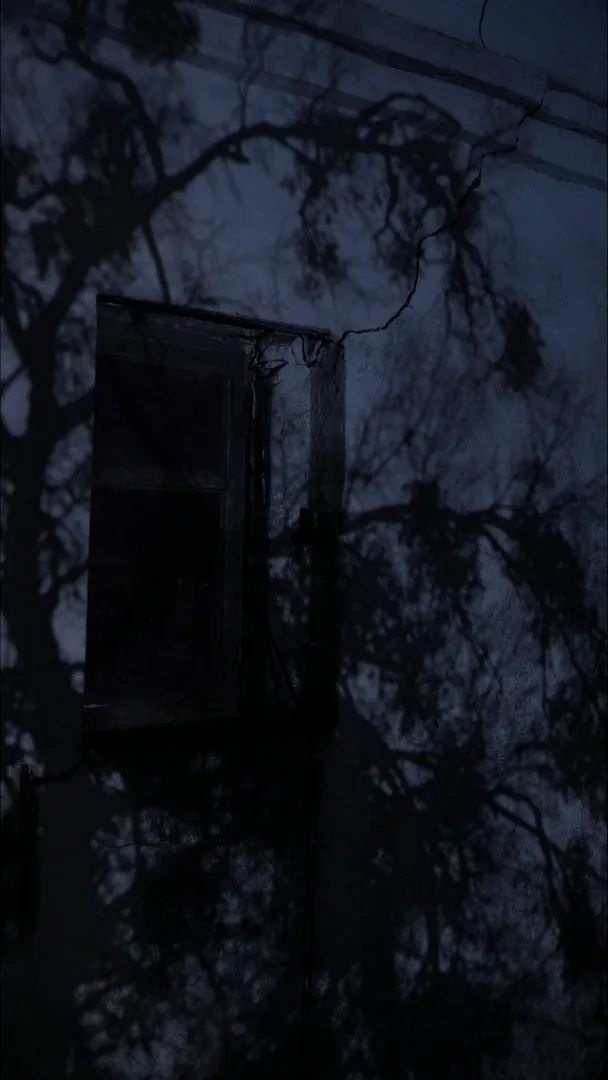
The audience at the premiere sees the result: an image precisely fitted to a facade, a set piece, or an object's form. What they don't see are the weeks of work that had to happen before that image could exist at all. The projection mapping process has its own fixed rhythm — and skipping any stage of it shows up on the final projection to the naked eye.
How Is Projection Mapping Done? Step by Step
- Capture the object — a 3D scan or precise measurement of the surface in its natural light.
- Post-processing — processing the footage to build a consistent visual style and mood.
- Mapping — fitting the final animation to the object's geometry until the image precisely covers every edge and irregularity of the form.
We break down each of these three stages below.
Stage 1: Video Material — Capturing the Object in Its Natural State
Everything starts with a thorough capture of the space or object the projection will land on — not just its dimensions, but its texture, color, and the way it reflects light at different times of day. This is the starting point for all the work that follows: no animation will work well on a surface whose properties haven't been studied beforehand.
Stage 2: Post-Processing — Building a Consistent Visual Language
The raw footage goes through procedural processing that builds the projection's intended mood and aesthetic. This is the stage where it's decided whether the projection will be realistic, abstract, archival in character, or futuristic — and where visual consistency is established across every sequence the audience will see.
Stage 3: Projection Mapping — The Image Returns to Where It Came From
The final animation is precisely fitted to the object's actual geometry — every edge, every irregularity, every shift in plane. This is the moment the projection stops being a video file and becomes a layer integrated with the physical form, closing the narrative loop: the image literally returns to where it originated.
These exact three stages — capture, post-processing, projection mapping — make up the process we used on "Rural Mapping": a series of installations across the Polish countryside, where each piece begins with capturing a barn, a room, or a farmyard in its natural state, and ends with a projection that returns to that same place, closing a loop between technology and rural nostalgia.
How Long It Takes and What the Schedule Depends On
Turnaround time depends mainly on the scale of the object and the complexity of the animation — for a single site-specific installation, the process from capture to opening night usually wraps up in weeks, not months, provided the object's geometry is known from the start and the visual content doesn't require additional photography or archival material.
If you're wondering whether your object — a building, an interior, a piece of scenography — is a good fit for projection mapping, and want to know how long the process would realistically take in your case, get in touch with us with some basic information about the space.
See also: what projection mapping actually is and whether projecting onto a historic facade is safe for the building.
See how we deliver projection mapping from first sketch to premiere.
If you're comparing several studios, read how to choose a 3D mapping company — a checklist of what actually matters before you sign.
FAQ
Frequently asked questions
How is projection mapping done?
- In three stages: first capturing the object (a 3D scan or precise measurement of the surface in its natural light), then post-processing (building a consistent visual style), and finally the mapping itself — fitting the final animation to the object's geometry until the image precisely covers every edge and irregularity of the form.
How long does projection mapping take to produce?
- For a single site-specific installation, the process from capturing the object to opening night usually wraps up in weeks rather than months, provided the object's geometry is known from the start and the visual content doesn't require additional footage or archival material.
Where does a projection mapping project start?
- With a thorough capture of the space or object the projection will land on — not just its dimensions, but its texture, color, and how it reflects light at different times of day. No animation works well on a surface whose properties haven't been studied first.