
Gamification in Museums – How a Quiz Changes the Way We Experience an Exhibition
March 21, 2026
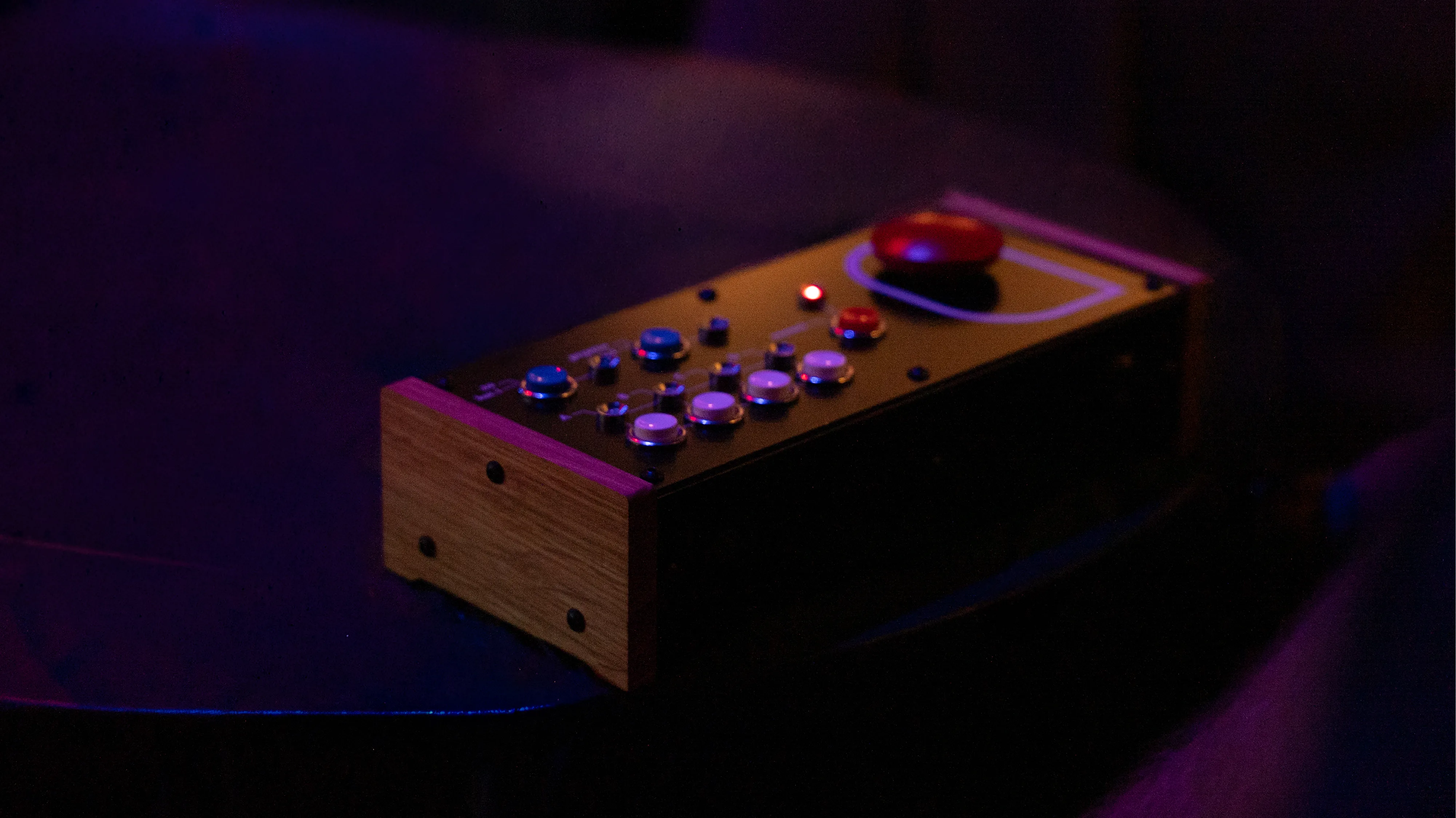
The classic museum-visiting model — a descriptive plaque, an audio guide, perhaps a live guide — has worked for years for visitors who already know what they're looking for. The problem starts when a museum wants to reach someone who didn't come "for knowledge," but for an experience. More and more institutions are answering that with gamification — bringing game-like mechanics into the exhibition space.
What Gamification Actually Means in a Museum Context
Gamification doesn't mean building a video game inside the exhibition. It means introducing elements characteristic of games — scoring, competition, instant feedback, progression — into a process that used to be passive. Instead of reading a painting's description, the visitor answers a question about it. Instead of hearing a fact about a historical event, they try to predict its outcome before learning the truth.
The difference is fundamental: a passive viewer remembers fragments; an active participant remembers the experience — and with it, the content tied to it.
Why This Works Better Than Traditional Museum Education
The mechanism is simple and well known in learning psychology: information paired with emotion and action sticks in memory more deeply than information delivered purely as text. A quiz forces active processing of content — the visitor has to think, risk an answer, and check whether they were right. That's a completely different level of engagement than skimming an information panel.
There's an added social effect, too. A quiz played in a group — a school class, a family, a corporate group — creates a natural dynamic of competition and cooperation that's an attraction in its own right, independent of the exhibition's subject.
Where Gamification Makes Sense, and Where It's Unnecessary
Not every exhibition needs a quiz. A contemporary art collection, where individual, contemplative contact with the work matters most, can lose something to gamification. But a historical, natural-history, technical, or educational exhibition — where the goal is to convey specific facts and trigger an "oh, I didn't know that" moment — is natural territory for a quiz format.
The key is matching the scale and form to the audience: a format for a school class will differ from one designed for adult visitors during a museum night.
What This Looks Like in Practice
In the following articles in this series, we show concrete approaches — from the technology behind such a quiz, through the methodology of building questions, to a case study of the Rewanż format adapted to the educational needs of cultural institutions.
If you're wondering whether gamification makes sense for your exhibition — let's talk about your specific visitor profile.
Check out our museum gamification offer to see what this looks like in practice.