
How to Build a Museum Quiz That Teaches, Not Just Entertains
November 2, 2025
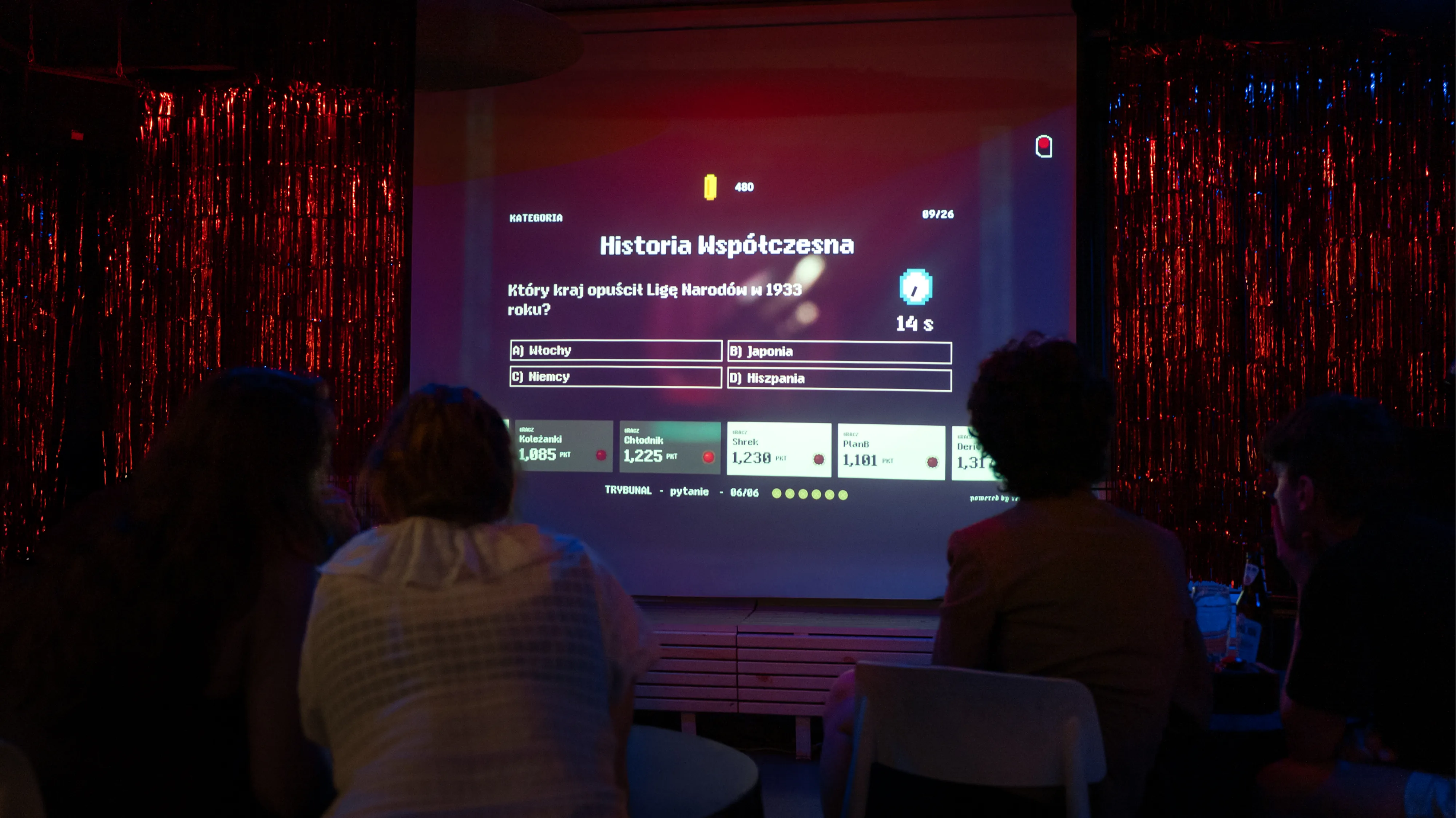
The biggest risk when implementing gamification in a museum is building a format that's great entertainment but teaches nothing — or, conversely, a format so "educational" that it loses all the energy that made the game appealing in the first place. A good museum quiz has to consciously balance these two goals.
How Do You Build a Museum Quiz Step by Step?
- Define the teaching goal and the target audience.
- Write questions that teach, not just entertain.
- Choose the hardware — dedicated consoles hold up more reliably than an app on a visitor's phone.
- Test the format with a real group before rolling it into the institution's permanent educational offer.
The Starting Point: Teaching Goal Before Mechanics
Before writing a single question, you need to answer a more fundamental one: what should the participant remember after leaving the exhibition? Not "what facts can be squeezed out of it," but which three to five takeaways are genuinely the most important. A good museum quiz doesn't try to test everything — it picks the key messages and builds questions around them.
Choosing the Difficulty Level
Museum questions most often fail in one of two ways: they're so simple that they don't require any attention to the exhibition ("which country is this castle in," when the answer is in the exhibition's title), or so detailed that they test recall of dates rather than understanding of the subject.
Good practice is to build questions in three layers:
- Observation questions — requiring visitors to actually look closely at the exhibit, not just draw on general knowledge.
- Inference questions — asking visitors to combine two facts presented in the exhibition into a new conclusion.
- Context questions — linking the exhibition's content with the participant's general knowledge, building a bridge between what's new and what they already know.
Pacing and Game Structure
A museum quiz should have a round-based structure, not one continuous list of questions — a change of topic, building tension, a climactic moment at the end. It's precisely this structure, familiar from well-designed quiz shows, that holds a group's attention for the whole duration, not just the first few minutes.
The Host's Role
Even the best-written questions won't work without a host who knows how to build tension, react to the group's answers, and close out each round with a substantive comment. It's that comment — not the question itself — that's often the moment when the knowledge actually sticks in the participant's memory.
Checking the Effect
Good practice is a short conversation with the group's chaperones afterward — not a formal test, just the question "what stuck with you from this exhibition." It's the simplest way to check whether the format teaches or merely entertains.
If you're building a question bank for your own quiz format and want to consult on question structure or pacing — see how this looks in practice in our case study of the Rewanż format in museum education, or get in touch with us directly.