
DMX in Theatrical Scenography – Controlling Light and Multimedia from a Single Console
May 8, 2026
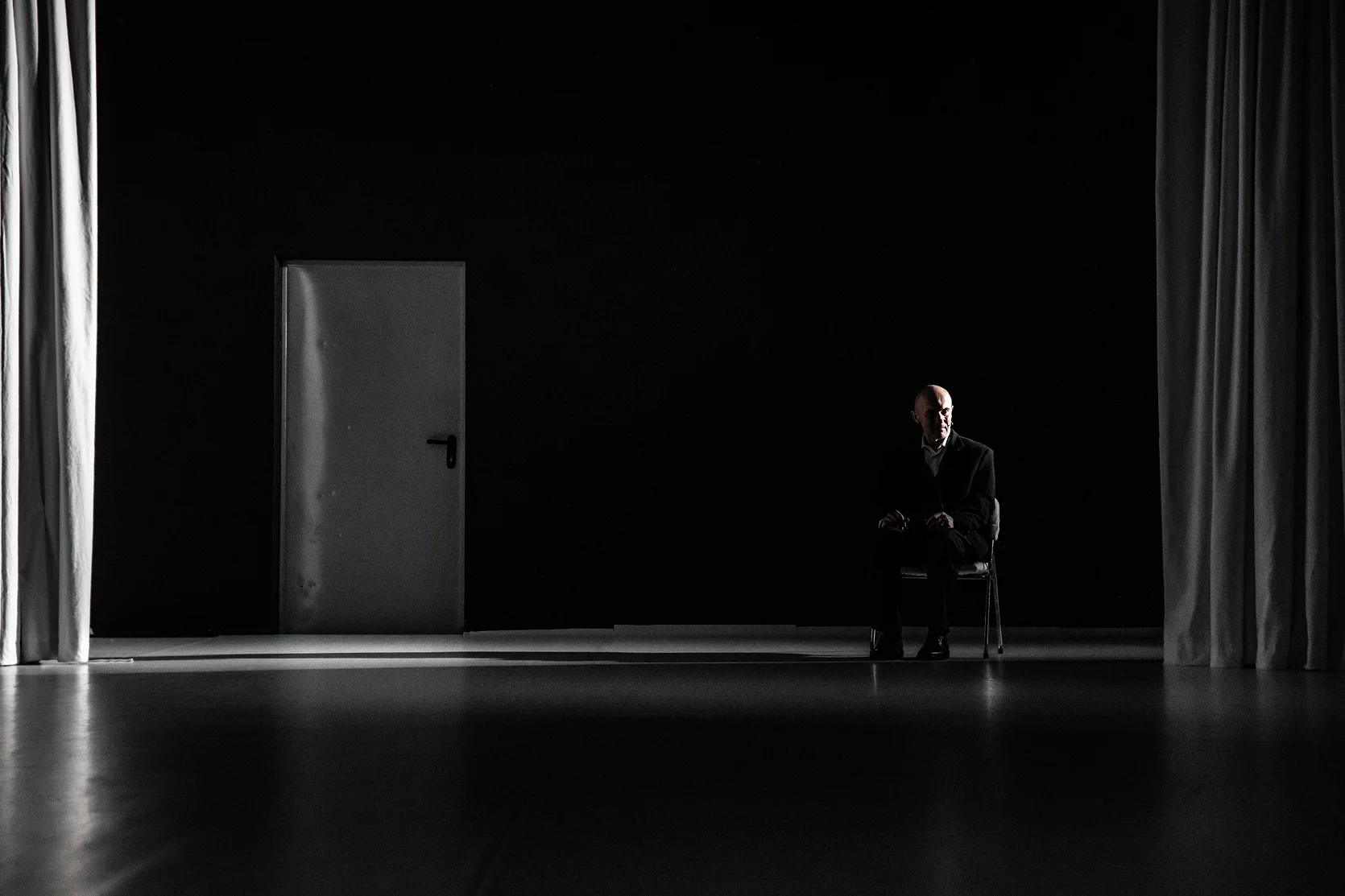
The more complex a production's technical layer becomes, the easier it is to end up with a situation where light, projection, and multimedia elements are each controlled from separate consoles by separate people — with synchronization between them depending on the operators' reflexes. DMX solves this problem at its root: it's a protocol that lets everything be controlled from one place, in one rhythm.
What DMX Is and Why It's the Industry Standard
DMX (Digital Multiplex) is a digital communication protocol that has been the standard for controlling stage lighting since the 1990s. A single DMX signal can address hundreds of channels — individual fixtures, decoders, motors, or multimedia controllers — and drive them from a single console, in synchronized sequences (known as cues). What separates a well-designed DMX system from an improvised one is integration: light, projection, and mechanical stage elements respond to the same command at the same moment, without manual coordination between stations.
Why It Matters for Multimedia Integration
In productions where projection and light are part of a single visual system — not two independent layers — synchronization via DMX stops being a convenience and becomes a hard requirement. A scene change in which the light dims exactly as the projection changes image requires a shared clock — otherwise the effect drifts apart in front of the audience.
Exactly this kind of integration underpinned the lighting and projection direction in "Songs of the Ghetto" for the Jewish Theatre, where projections built on archival material had to precisely align with lighting changes to reinforce the rhythm and emotional character of the performance, rather than compete with the live stage action. Similarly, in "Dus buch fyn Gan Ejdn / The Book of Paradise" — light direction and visual projection had to function as one system extending the stage space, not two separate technical tracks.
A similar integration is also behind "Der Szturem. Cwiszyn" for the same theatre — a DMX system there synchronizes light direction with the projection of a photogrammetric 3D reconstruction of the Warsaw Ghetto, so both layers change in the same rhythm rather than independently of each other.
In "The Kindly Ones" for the Śląski Theatre, the same approach had to handle a different kind of visual layer entirely — stage holograms building the protagonist's nightmarish inner visions, synchronized with the director's lighting so they appear and disappear on the same rhythm as the scene's shifting mood, not as a separate effect bolted on the side.
What to Know When Planning a Production with an Extensive Technical Layer
- One operator, one console — the more systems controlled separately, the greater the risk of error during a live performance.
- Cues built together with the scenography and projection from the start of rehearsals, not tacked on at the end to an already-finished lighting design.
- Room for directorial changes — a well-designed DMX system allows the light and multimedia sequence to be modified without rebuilding the entire control structure.
If you're designing a production with an extensive light and multimedia layer and wondering how to integrate it from the concept stage — let's talk about control architecture before technical rehearsals begin.
More on how we approach this process as a whole on our scenography service page.