
How to Engage a School Group in a Museum Without a Boring Lesson
December 23, 2025
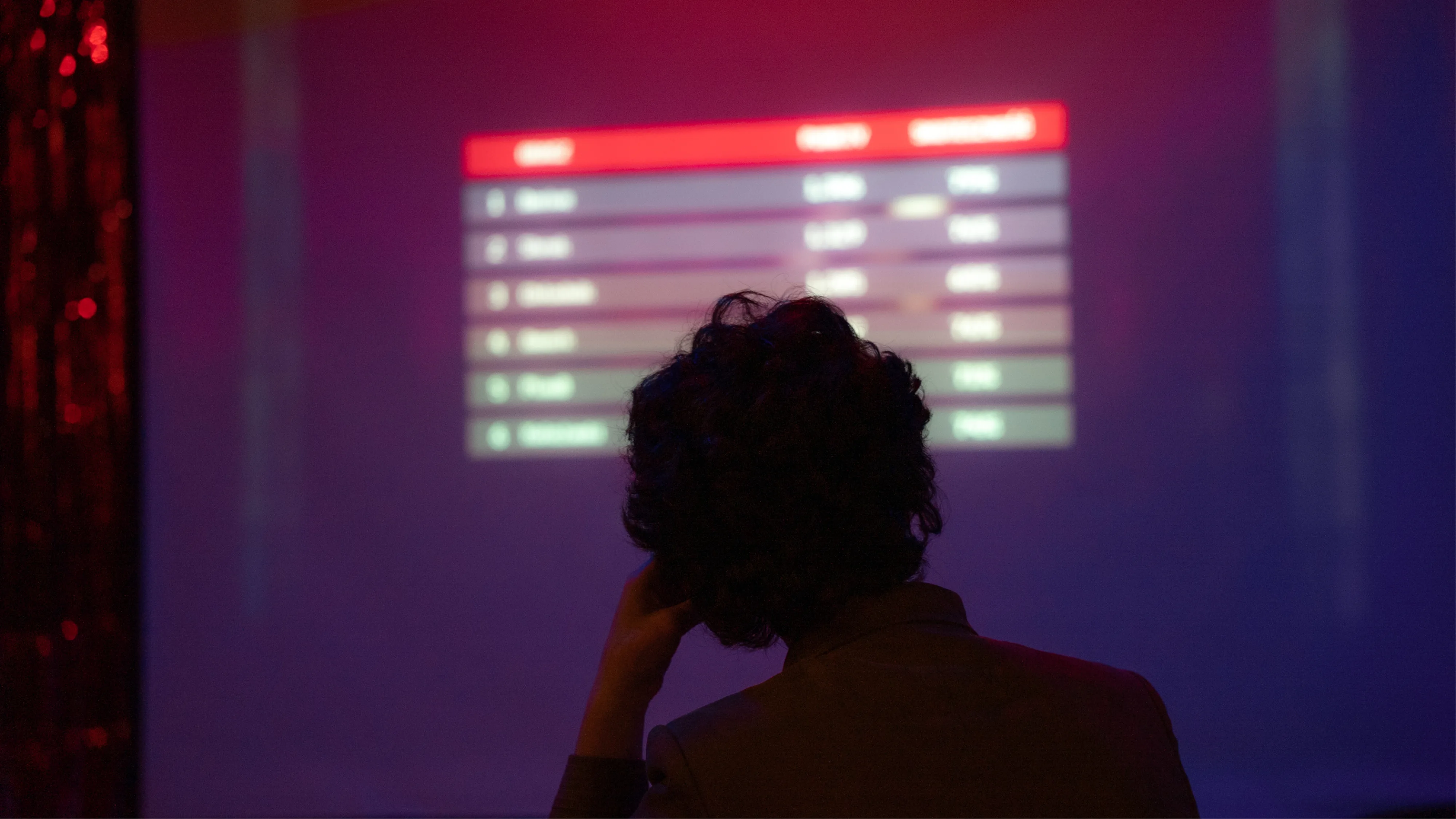
For many teachers and chaperones, a school trip to a museum is a moment of dread, not excitement. A group of 25-30 students, limited time, wavering attention — a classic museum lesson with a guide reciting facts often ends with half the group bored within the first ten minutes.
Why the Traditional Format Fails with School Groups
The "guide talks, students listen" model assumes a passive audience — and passivity is the single biggest enemy of attention in children and teenagers. On top of that, a school group has its own social dynamic: some students want to show off, some withdraw, some look for entertainment regardless of the content. A lecture format gives none of these impulses an outlet — as a result, the group's energy works against the educational goal instead of with it.
What a Competition-Based Format Changes
Splitting the group into teams and introducing a scoring mechanic reverses this dynamic. The energy that used to scatter attention gets channeled into competing for the right answer. A student who would otherwise stay passive becomes an active participant — because their team needs their answer.
The mechanism of instant feedback matters too: in a classic lesson, a student only finds out whether they understood the material at a test, weeks later. In a quiz format, they get the answer within seconds — which is rewarding in itself, regardless of the outcome.
Practical Elements of a Good Format for School Groups
- Small-team splits, not individual competition — this reduces pressure on the weakest students and reinforces cooperation.
- Questions at varying difficulty levels, so every team has a shot at success regardless of their prior knowledge.
- Physical, tangible interaction — a buzzer, an answer console — instead of a phone, which introduces extra distraction and technical headaches.
- A limited duration, matched to a school group's real attention span rather than to the exhibition guide's programming ambitions.
The Effect for the Institution
A museum that offers schools not a "lesson" but an "event" gains a competitive edge in conversations with teachers planning trips — and that translates directly into attendance from organized groups, which are a steady source of visits for many cultural institutions throughout the school year. We write more about this mechanism in our article on museum attendance and technology.
The principles described above also underpin the Rewanż format adapted for museum education — a concrete case study of putting this method into practice.