For many employees, “team building” brings a sigh rather than excitement: flipchart exercises, tasks where you have to look silly in front of the boss, or a whole day outdoors that half the team endures rather than enjoys. Yet the best integration is the one where people genuinely have fun — and a game does that better than most exercises.
Why games work
A game gives what an ordinary party lacks: a shared goal, clear rules and a reason to talk to people you usually pass in the corridor. It also asks for no fitness, no stage courage and no gaming experience, so everyone plays.
A team game show
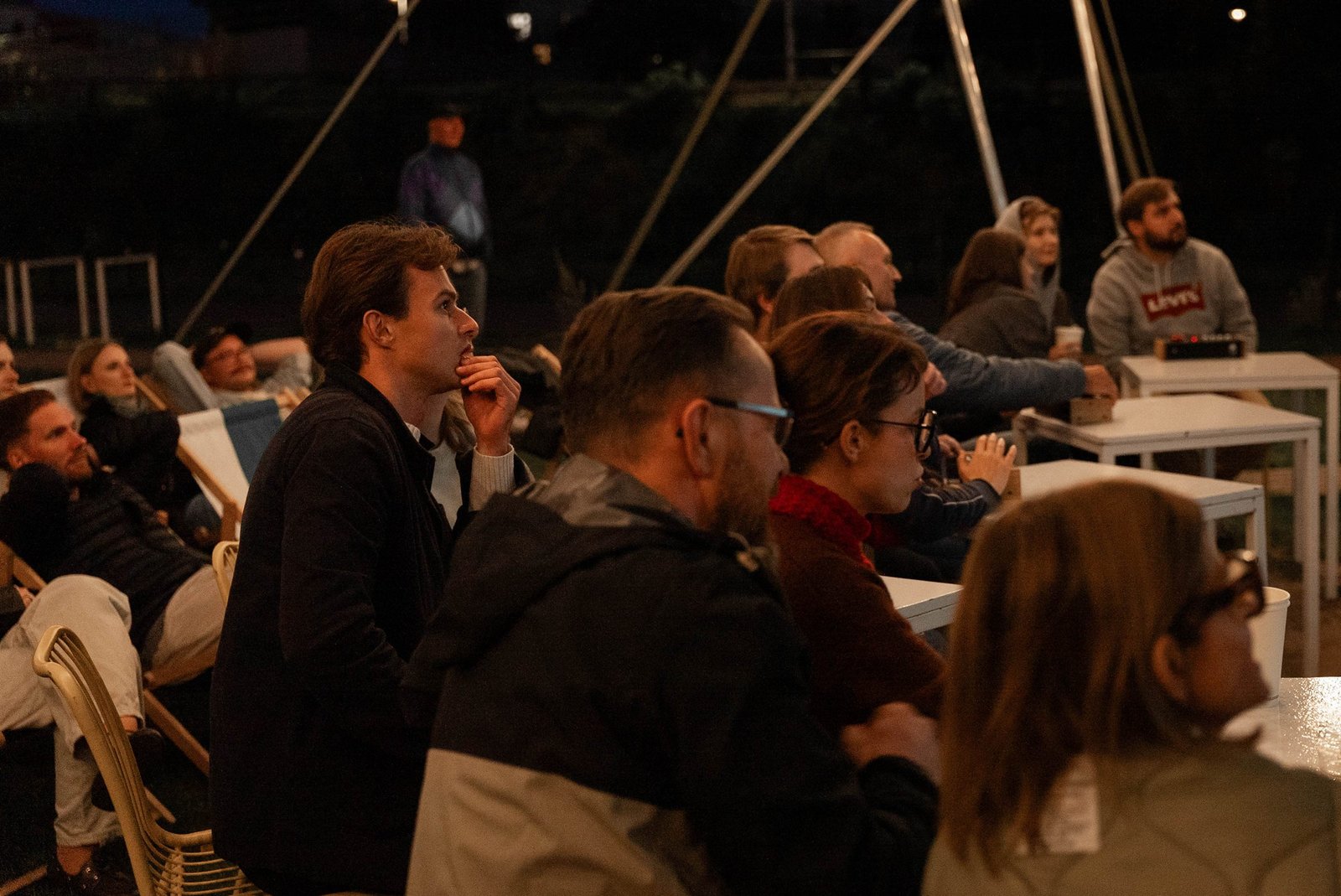
Teams sit at player consoles, a host reads the questions and a big screen shows the countdown and scores. That is our Rewanż. Mix people from different departments at each console, add one round about the company, and let the rest of the room join the game on their phones. Read more in “A Live Game Show at a Corporate Event”.
A retro arcade tournament
Arcade machines with simple games stand in the room all day or evening, and a leaderboard ranks teams or departments. People play whenever they like and come back to improve the score; the best meet in a final. Graphics and characters can follow your brand — that is our Salon gier.
Both together
An arcade zone with a leaderboard during the day, and a game show final on stage in the evening: a relaxed part where everyone plays at their own pace, and one strong moment everyone remembers.
How to plan it
1. Goal — onboarding a new team, connecting departments, celebrating a good year.
2. Programme — as a break after a conference or training, or the main event of the evening.
3. Teams — set them in advance and mix people on purpose.
4. Questions and branding — categories and graphics tailored to the company.
5. Venue — space for tables or machines, power and a visible screen; the kit is mobile.
6. Prizes and a final — a good moment to thank the team.
Planning team building or a company trip? Write to us — how many people, when and where — and we’ll propose a programme with a game.